Art Direction

Althea McNish Deserves More Than a Place On Your Moodboard

By
The Desiree Team
October 21, 2026
The Trinidad-born designer’s textiles reward a closer look at colour, printmaking and the work involved in turning a personal reference into a commercial fabric.

It is easy to save a beautiful print and move on. Perhaps it ends up beside a chair, a paint colour and a photograph of somewhere warm. A few months later, the board still looks lovely, but the name of the person who made the fabric has disappeared. Althea McNish’s work is a good reason to slow that process down.

Born in Trinidad in 1924, McNish built a career in Britain designing textiles for fashion and interiors. The William Morris Gallery’s account of her work names clients including Liberty, Dior, Heal’s and Hull Traders. It also records work in wallpaper, murals and interior design. There is a substantial design practice here to explore, with different clients and different demands on the finished work.
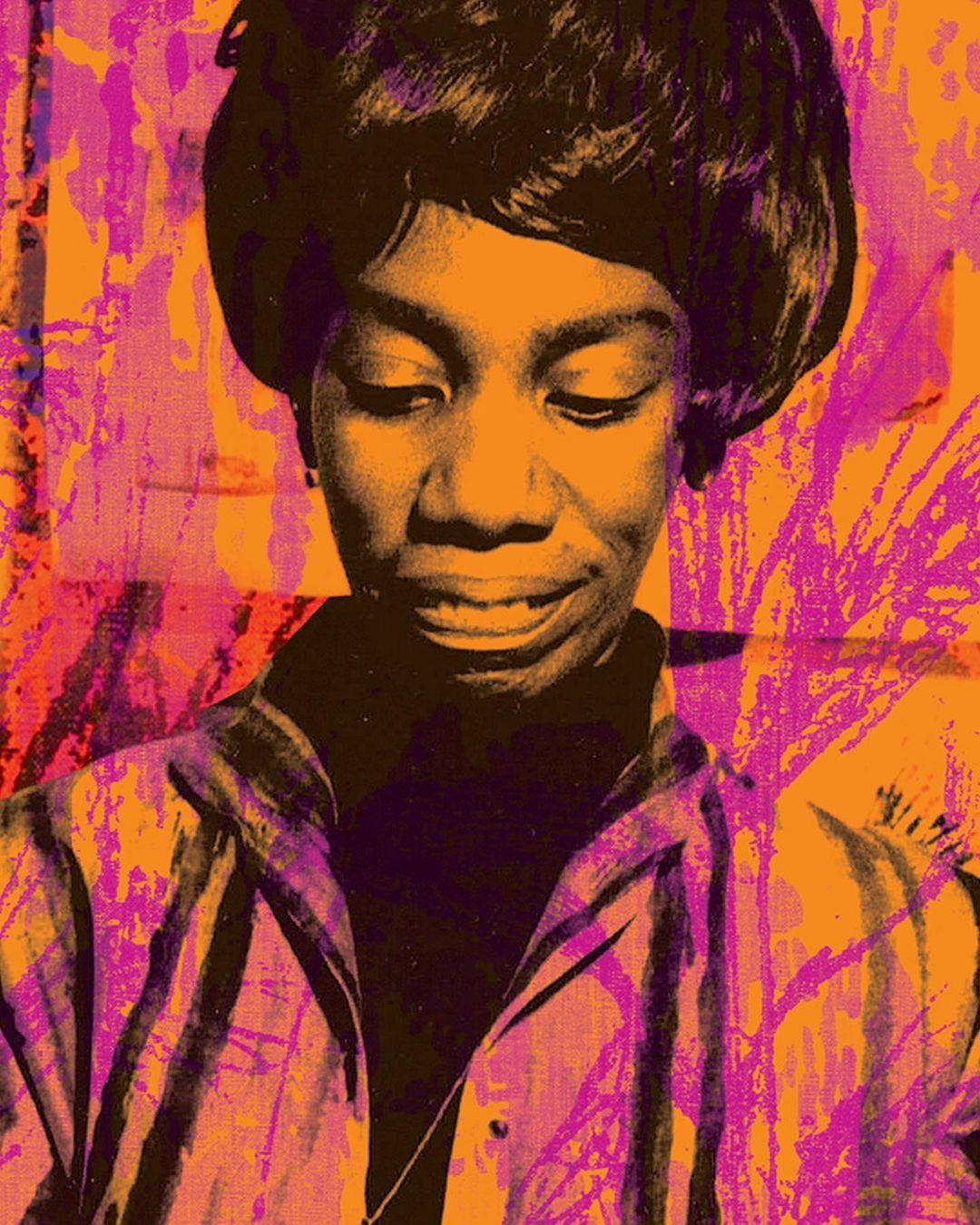
A Spotlight On… Althea McNish | Liberty

‍

Start with Golden Harvest. The V&A describes how an Essex wheat field reminded McNish of the sugar-cane fields of Trinidad. That connection became the starting point for a furnishing textile produced by Hull Traders. A landscape encountered in Britain had met a landscape held in memory.

It is a useful example for anyone wondering how to put more of themselves into their creative work. An observation becomes interesting because of what the designer brings to it. The reference is personal, but the result has a life beyond the original memory. You do not need to share that memory to want the fabric in your home.

McNish also understood how a design would reach the cloth. The V&A records her screen-printing studies at the London School of Printing, alongside her wider art and design education. That technical grounding gave her control over colour and the printing process. It belongs in the discussion of her work just as much as the sources of her imagery.
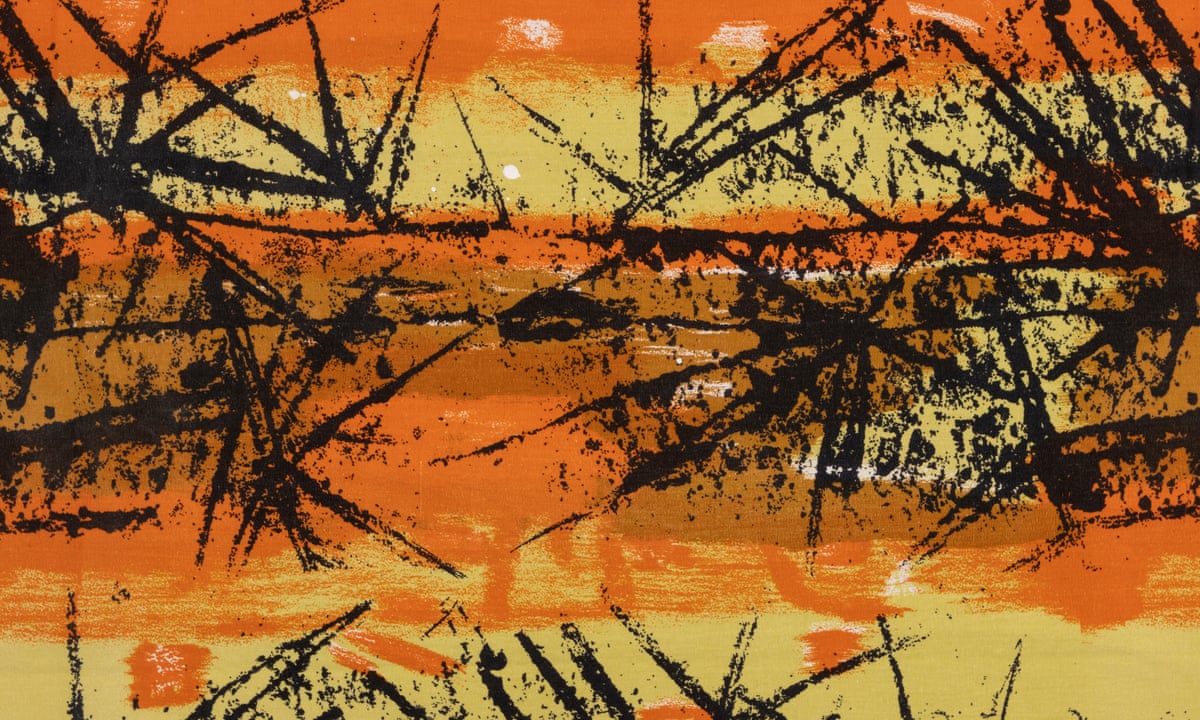
She broke boundaries': how textile artist Althea McNish made Britain bloom  | Art | The Guardian

‍

For a designer looking at those textiles now, the useful exercise is to think about the object the pattern has to become. Fabric folds. Upholstery interrupts a repeat. A colour that looks generous across a length of cloth will occupy a different amount of space on a sleeve. These are practical questions to bring to a print, and they make looking at it more rewarding than assigning it an adjective.

Cooper Hewitt’s profile widens the view further. McNish’s commissions included laminate panels for restaurants aboard the SS Oriana and cotton-velvet wall hangings for British Railways Board offices. Those are quite different settings from a fashion fabric. They place her work in spaces people travelled through and worked in, as well as things they wore.

That range changes how I think about a design reference. If you only collect a close crop of a print, you can miss questions of scale and setting. Looking for where it was used, who commissioned it and what it was made from gives you a much richer starting point for your own decisions. You also begin to see a career rather than a single striking image.

The archive offers another way in. Liberty’s account of its 2022 McNish project describes research involving photographs, scrapbooks and her Royal College of Art dissertation, alongside the reissue of selected designs. Those records let us follow some of the thinking around the finished patterns. They are a reminder that the image we save is only one part of the work.

So put McNish on the moodboard, by all means. Keep her name there, and follow the reference far enough to learn how the textile was made. Her career offers a way into British design history, and into the practical relationship between what a designer notices and what she knows how to produce.
SUBSCRIBE

The ultimate guide for the modern brand owner, delivered straight to your inbox.
Thank you for subscribing!
Oops! Something went wrong while submitting the form.
Share button
linkedinpinterestmail
Art Direction

Althea McNish Deserves More Than a Place On Your Moodboard

The Trinidad-born designer’s textiles reward a closer look at colour, printmaking and the work involved in turning a personal reference into a commercial fabric.

By
The Desiree Team
October 21, 2026

It is easy to save a beautiful print and move on. Perhaps it ends up beside a chair, a paint colour and a photograph of somewhere warm. A few months later, the board still looks lovely, but the name of the person who made the fabric has disappeared. Althea McNish’s work is a good reason to slow that process down.

Born in Trinidad in 1924, McNish built a career in Britain designing textiles for fashion and interiors. The William Morris Gallery’s account of her work names clients including Liberty, Dior, Heal’s and Hull Traders. It also records work in wallpaper, murals and interior design. There is a substantial design practice here to explore, with different clients and different demands on the finished work.

A Spotlight On… Althea McNish | Liberty

‍

Start with Golden Harvest. The V&A describes how an Essex wheat field reminded McNish of the sugar-cane fields of Trinidad. That connection became the starting point for a furnishing textile produced by Hull Traders. A landscape encountered in Britain had met a landscape held in memory.

It is a useful example for anyone wondering how to put more of themselves into their creative work. An observation becomes interesting because of what the designer brings to it. The reference is personal, but the result has a life beyond the original memory. You do not need to share that memory to want the fabric in your home.

McNish also understood how a design would reach the cloth. The V&A records her screen-printing studies at the London School of Printing, alongside her wider art and design education. That technical grounding gave her control over colour and the printing process. It belongs in the discussion of her work just as much as the sources of her imagery.

She broke boundaries': how textile artist Althea McNish made Britain bloom  | Art | The Guardian

‍

For a designer looking at those textiles now, the useful exercise is to think about the object the pattern has to become. Fabric folds. Upholstery interrupts a repeat. A colour that looks generous across a length of cloth will occupy a different amount of space on a sleeve. These are practical questions to bring to a print, and they make looking at it more rewarding than assigning it an adjective.

Cooper Hewitt’s profile widens the view further. McNish’s commissions included laminate panels for restaurants aboard the SS Oriana and cotton-velvet wall hangings for British Railways Board offices. Those are quite different settings from a fashion fabric. They place her work in spaces people travelled through and worked in, as well as things they wore.

That range changes how I think about a design reference. If you only collect a close crop of a print, you can miss questions of scale and setting. Looking for where it was used, who commissioned it and what it was made from gives you a much richer starting point for your own decisions. You also begin to see a career rather than a single striking image.

The archive offers another way in. Liberty’s account of its 2022 McNish project describes research involving photographs, scrapbooks and her Royal College of Art dissertation, alongside the reissue of selected designs. Those records let us follow some of the thinking around the finished patterns. They are a reminder that the image we save is only one part of the work.

So put McNish on the moodboard, by all means. Keep her name there, and follow the reference far enough to learn how the textile was made. Her career offers a way into British design history, and into the practical relationship between what a designer notices and what she knows how to produce.

Share button
linkedinpinterestmail
Art Direction

Althea McNish Deserves More Than a Place On Your Moodboard

By
The Desiree Team
October 21, 2026
The Trinidad-born designer’s textiles reward a closer look at colour, printmaking and the work involved in turning a personal reference into a commercial fabric.

While the brands mentioned are not sponsored or paid advertisements, some of the products highlighted may earn us a commission.

Sign up for our newsletter to receive the latest brand news and insights from Brand Insider.

Share button
linkedinpinterestmail
⌃