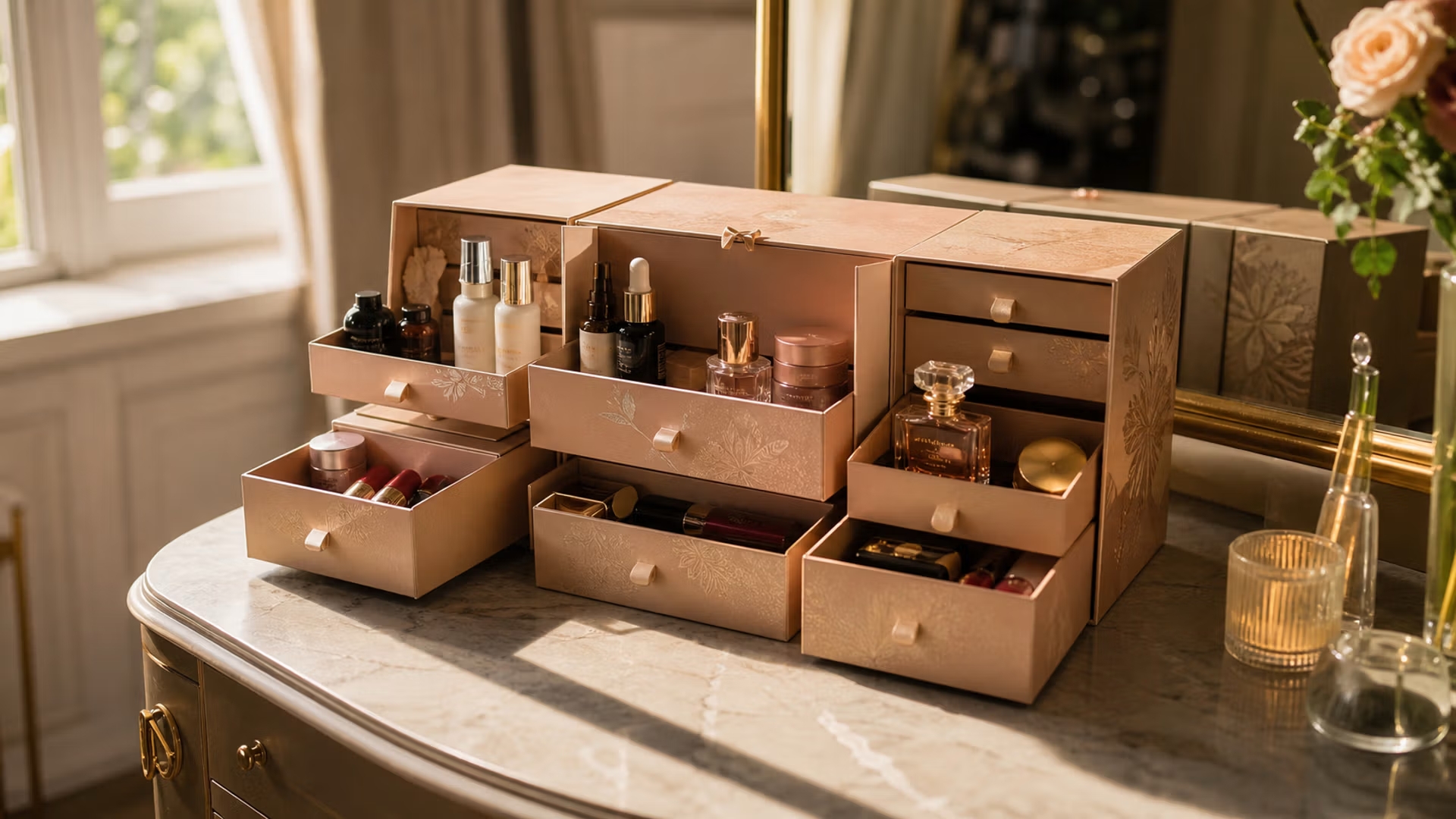
By October, the decision is already in front of us. Beauty calendars come with full contents lists, elaborate packaging and a second price: the much larger amount the contents are said to be worth. A box can look indulgent and financially sensible in the same breath. That is quite a sales pitch.
The question is what we are buying into. There are the products, certainly. There is also anticipation, the pleasure of being treated and the invitation to spend several weeks inside a favourite brand’s world. The luxury advent calendar manages to bundle all of that into something that still resembles a childhood ritual.
The box is part of the fantasy
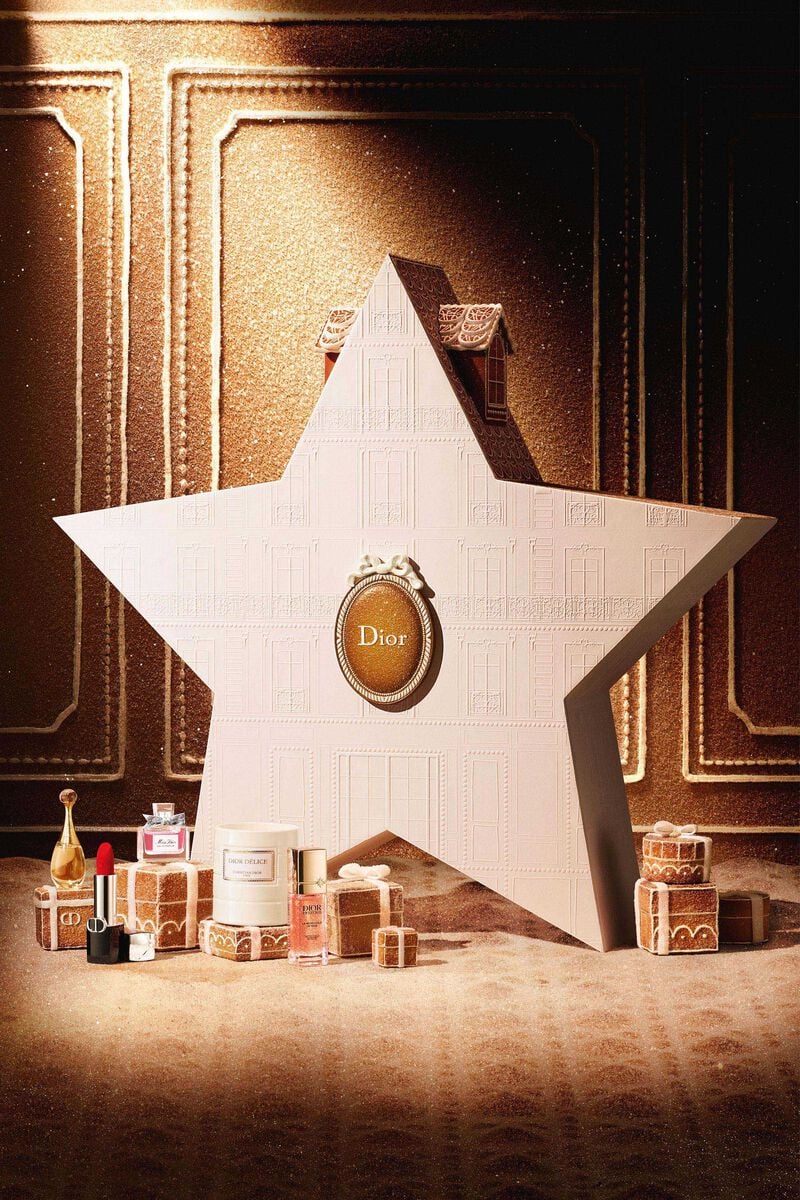
Consider Dior’s 2026 Le 30 Montaigne calendar. Priced at £604 on its UK site, it arranges 24 creations around a star-shaped interpretation of the house’s Paris address. Fragrance, make-up and skincare share space with a candle and ornaments. The architectural packaging gives a set of beauty products the presence of something to display.
A single-brand calendar offers immersion. You are spending December with Dior, or YSL, trying different parts of a beauty range that has already been made to feel desirable. For someone who loves that house, the consistency is the point. There is pleasure in opening a small version of a perfume whose full-size bottle you recognise.
A department store calendar makes a different promise. Liberty’s 2026 edition costs £285 and contains 29 beauty products, including 21 full-size items. Liberty puts their combined value at more than £1,300. Here, the draw is the edit: several brands brought together by a retailer whose taste you are being invited to trust.
The full-size count matters because it gives the buyer a clearer sense of the contents. It also shows how far the category can move from the idea of a box of samples. These calendars ask to be judged as substantial beauty purchases, even as their tiny doors encourage us to think in daily treats.
The pleasure of knowing what is inside
There is a lovely contradiction in a surprise that comes with a complete inventory. Liberty even includes an unboxing video on its calendar page. We can inspect the products long before the first drawer opens, then buy the experience of discovering them again in December.
That need not spoil the ritual. Anticipation can be enjoyable when you know what is coming; anyone who has reread a favourite book understands that much. For an expensive purchase, seeing the contents is also sensible. Mystery is a less appealing proposition when it costs several hundred pounds.
The format gives brands repeated occasions to be seen. There is the announcement, the reveal of the contents, the unboxing and then each day’s opening. It is easy to see why a calendar lends itself to social content: the packaging already divides one purchase into a sequence. The same feature that makes it enjoyable at home makes it convenient to show online.
A value claim is only the beginning
The gap between the selling price and the advertised value is where a little restraint helps. The combined retail value of a box does not tell you how much of it you will want. A generous assortment can still include fragrances you would never wear, colours you do not like and several products doing a job your bathroom shelf already covers.
YSL’s 2026 calendar at Selfridges is £280, with a line-up that includes Loveshine lip products, miniature fragrances and skincare, as well as a mirror and a kabuki brush. For a YSL lip enthusiast, those particular shades may be the attraction. Someone hoping for a box made up entirely of cosmetics would want to notice the accessories before checking out.
A useful test is to go through the list and mark what you would actively choose. Then look at the sizes. A miniature can be a lovely way to try a scent, while a full-size favourite can make the purchase feel worthwhile. Neither needs to be treated as automatically better; what matters is whether it earns a place in your routine.
There is room in that calculation for enjoyment. Nobody needs to pretend that every purchase is an exercise in efficiency. But pleasure is easier to judge honestly when it is separated from the idea of making a saving. If you would not have bought most of the contents, the larger figure on the product page is not money you have personally kept.
What happens after the last drawer
The most revealing moment might come after Christmas, when the packaging is empty and everything has to find a place. A beautiful box may become useful storage. It may also become a very elaborate object you feel guilty throwing away. Calling something a keepsake is more convincing when you can picture where it will live.
The products need the same consideration. A calendar that introduces you to a new favourite has done something worthwhile. So has one that makes an ordinary December morning nicer. A pile of unopened minis waiting to be passed on is a less satisfying result, however impressive the advertised value looked in October.
Luxury advent calendars are appealing because they turn being treated into a recurring appointment. That pleasure is real enough to stand on its own. Choose the one whose contents you want, whose price you are comfortable paying and whose ritual you will enjoy. The lipstick behind door twelve should still look tempting once you have stopped counting the supposed savings.


.svg)


.svg)
.svg)