


“Ritual” is a lovely word until you are standing in the bathroom wondering how much of something to use. A beauty brand can give a product a whole emotional life before it has explained the contents of the bottle. LIHA is interesting because there is a clear relationship to examine between its cultural references, its product choices and the practical details it gives customers.
Founders Liha Okunniwa and Abi Oyepitan describe LIHA’s beginnings in a published anniversary interview. They started experimenting in their kitchens in 2014 and formalised the business in 2018. Workshops and events were part of the early process of sharing their products. It is a story of making something, putting it in front of other people and finding a business in that exchange.

In the same interview, the founders discuss their British-Nigerian identities and the connection between West African ingredients and English aromatherapy in their work. Their account is useful because it explains whose perspective the brand represents. It also gives us a more specific starting point than the broad idea of “African-inspired” beauty, which tells a customer very little on its own.
Take Idan Oil. LIHA explains its name through the Yoruba word for magic and describes a coconut-oil base infused with tuberose. The product includes a flower in the bottle. The name has a meaning, and the physical product gives the customer something visible to connect with its description. That relationship is easy to understand without a long explanation of the brand.
The bottle also presents a practical communication problem. Coconut oil can solidify when it is cool. A customer who expects a liquid may wonder what has happened to it. LIHA’s FAQ explains this behaviour and how to warm the bottle before use. It also gives guidance on where to use the oil and advises against using it on the face.
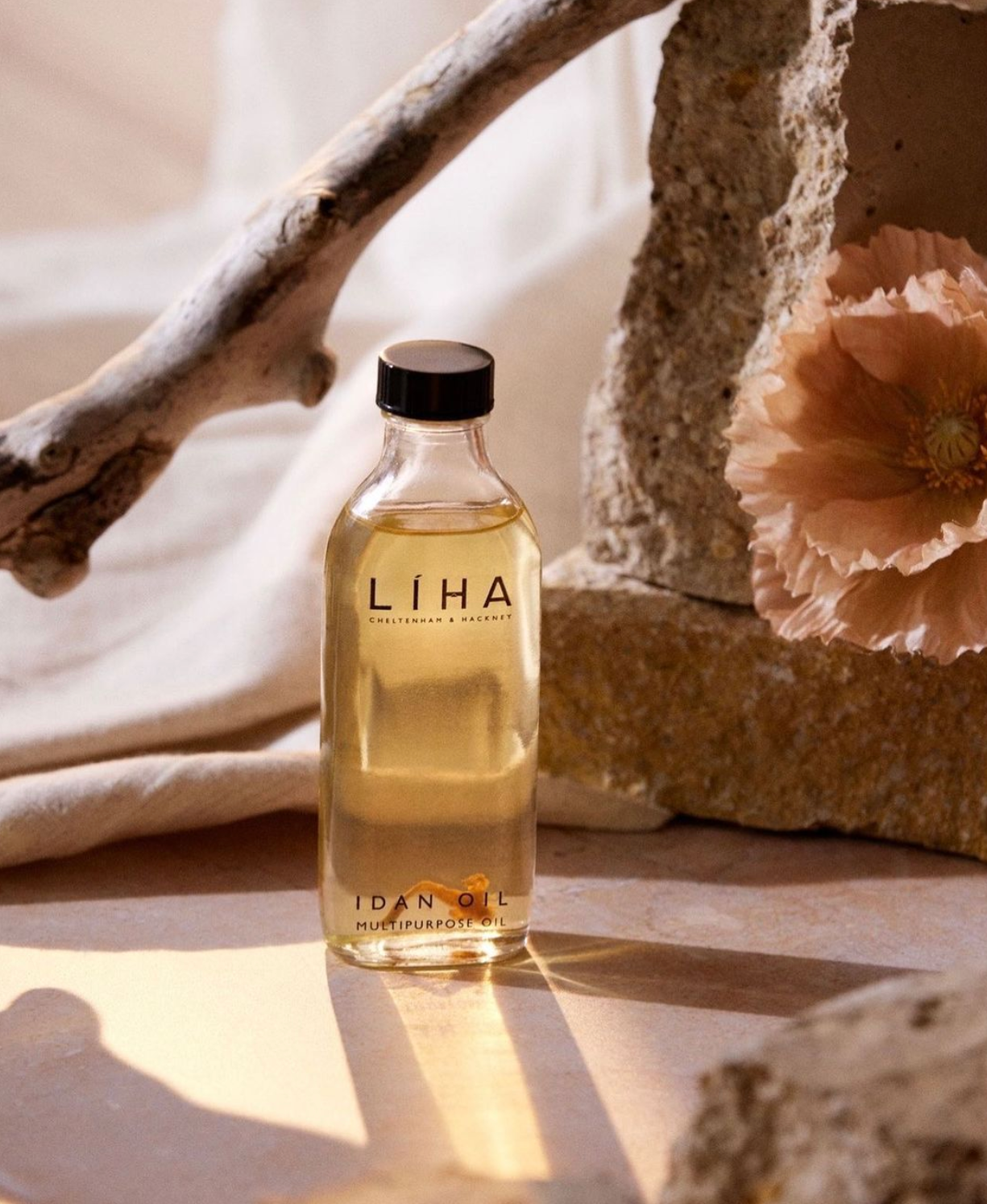
That information is part of the brand experience. Imagine buying an unfamiliar product, opening it and being unsure whether it looks as it should. Clear instructions help you understand what you have bought. They make room for the product’s actual characteristics, including the ones that may be inconvenient. A persuasive description has to survive that moment in the customer’s hands.
LIHA’s broader brand language emphasises slowing down and making time for personal rituals. The useful question is how far a customer can take that idea into an ordinary day. Is the suggested use easy to understand? Can someone find the ingredients without a search? Does the description explain the product well enough for them to decide whether it fits their routine?
I find those questions more revealing than asking whether a beauty brand has a sufficiently beautiful visual world. A customer may enjoy the photography and still need a plain answer about storage. The two kinds of communication can sit comfortably together. Being specific about a product need not take any pleasure out of it.
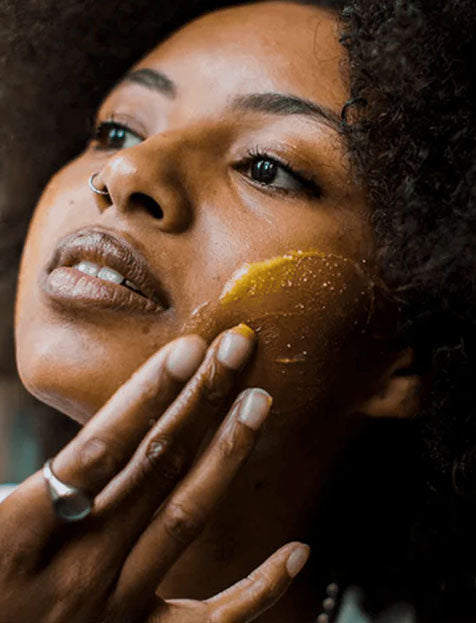
For a founder, there is a useful exercise here. Read your product description beside your customer questions. Notice what people have to ask after they have read the copy. Some of the most valuable improvements may be small: an explanation of texture, a clearer use instruction or a name whose meaning is easy to find.
At LIHA, the founders’ point of view reaches the name and the physical product, while the practical copy helps a shopper make sense of both. That is where the branding becomes interesting to study: in the small decisions someone encounters after the first impression.


