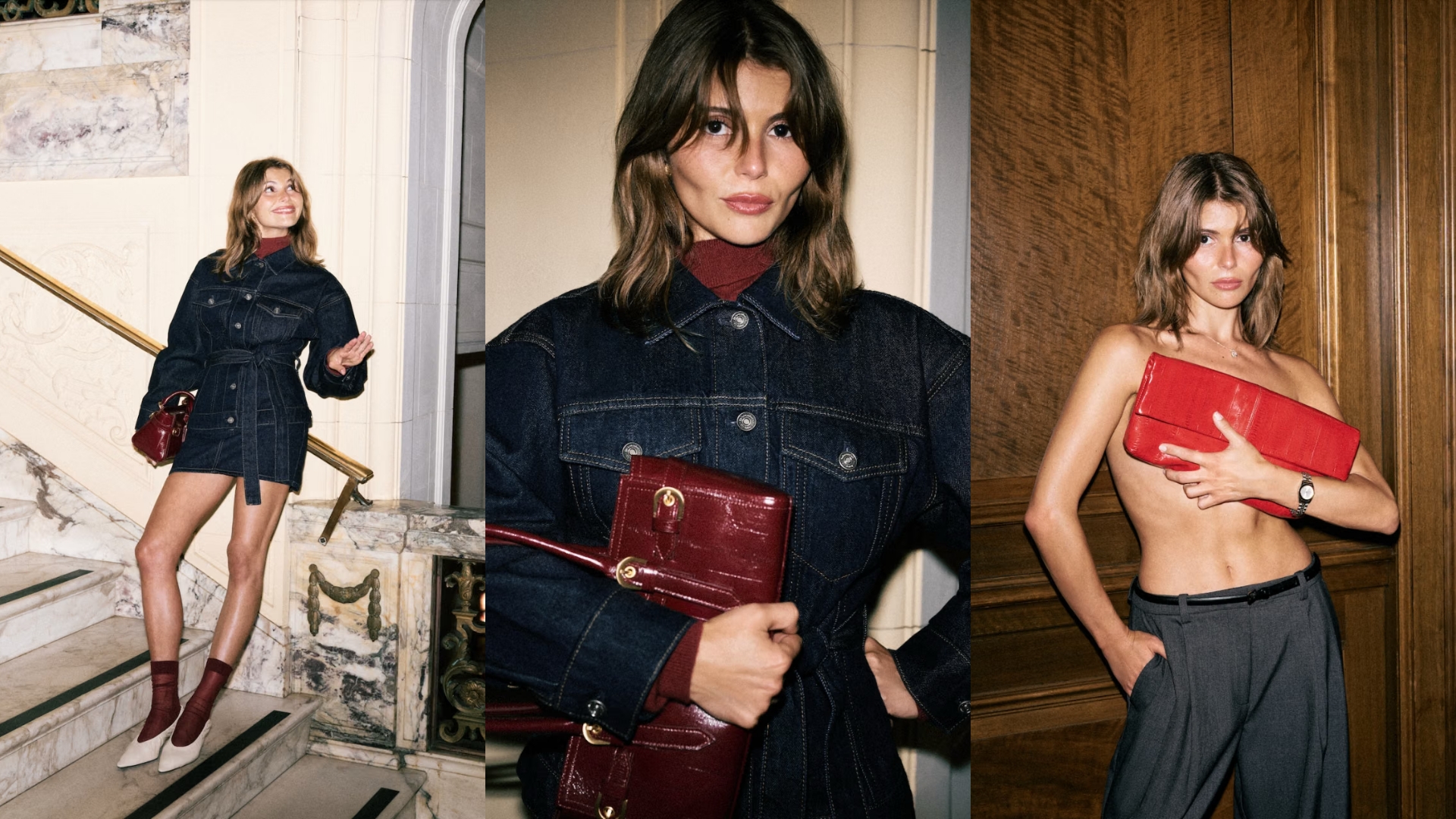
A second-hand jacket asks whether you like it. An archive jacket seems to ask whether you recognise it. Suddenly there might be a designer era to identify, a collection to remember or a reference to catch. The jacket has acquired a backstory before you have checked the measurements.
That is part of the word’s appeal. Archive suggests that someone has looked through the past and decided this particular thing deserves to be kept. Applied to fashion, it can make age feel like a qualification. We are invited to see an object as evidence of a moment, and ourselves as the person with enough taste to notice.
There can be real substance behind that invitation. A garment may belong to a significant collection or capture a designer’s work especially well. The difficulty comes when the language is doing more to distinguish the item than the information supplied with it.
The pleasure of recognising something
A date can change how we look at a piece. It encourages us to imagine the rest of the collection, the silhouette of the time and the person who might have worn it. Something that looked merely unfamiliar starts to make sense. Learning the context can deepen the pleasure of the clothes themselves.
There is also a social attraction. A visible logo makes its reference fairly easy to read; an older design might reward a much smaller group of people. Recognising it can feel like sharing a private joke. You get the pleasure of wearing something distinctive and, perhaps, of having your choice understood by the right person.
That does not require a cynical reading of the buyer. Most of us enjoy knowing a little about the things we love. Still, it is worth noticing how readily the promise of knowledge can become part of a sales pitch. A collection name and a year can lend authority to a listing even when little else has been explained.
An old design can become a new product
Fashion houses can offer a connection to the past through something made today. Prada’s Re-Edition 2005 Re-Nylon bag, for example, is a current product inspired by an earlier mini hobo design. The year is part of its name and its appeal. It gives the shopper a reference point without requiring a search for a surviving bag from that period.
There are perfectly good reasons to prefer a reissue: you may want the shape, the current materials or the experience of buying directly from the brand. It offers a way to participate in a design history. The important detail is what you are receiving. A new interpretation of a 2005 design and an original bag made in 2005 have different histories, even when they appeal to the same taste.
Then there is the older object given attention again. Coach’s (Re)Loved programme distinguishes between restored, vintage, upcrafted and remade pieces. Its Restored Camera Bag is described as a gently worn design restored by the brand’s repair workshop. That description tells you something useful about the item’s condition and treatment. You can understand the offer without an assumption that everything second-hand must be a collector’s piece.
Scarcity makes the decision feel urgent
With an older garment, the uncertainty can be real. You might find the same design again, but not necessarily in your size, in the same condition or at a price you are willing to pay. There is a particular tension in finding a piece that feels exactly right and knowing you cannot simply ask for another.
That can make the hunt part of the pleasure. It can also make an ordinary purchase feel like a disappearing opportunity. The fact that a seller has one does not, on its own, explain how rare the design is. Nor does an item’s age tell us how well it was made or how much wear it has left.
Rarity is interesting when it comes with context. Why is the piece difficult to find? What makes this version distinctive? Where does it sit in the designer’s work? A good answer gives you something to consider beyond the anxiety that someone else might get there first.
The story should survive a closer look
Before paying for the history, look for the details that support it. A collection or production date is useful when the seller can explain the attribution. Clear photographs should show labels and construction as well as the flattering front view. Measurements, alterations and repairs all matter to the garment you will actually receive.
Authentication and provenance answer different questions. One concerns whether the item is genuinely what it is claimed to be; the other concerns its documented history. Neither makes condition irrelevant. A piece can have an interesting past and still need work before you can wear it. An old runway photograph may help identify a design, but it does not establish that the item in the listing was worn on that runway.
There is a final question worth asking after all the research: do you still want it without the word archive? You might love the cut, the fabric, the slightly strange colour or the way it completes an outfit. Those are substantial reasons. The history can add to them.
The best archive purchase gives you more to appreciate as you learn about it. The label should open a conversation about the clothes. Once that conversation has happened, the clothes still have to hold your attention.