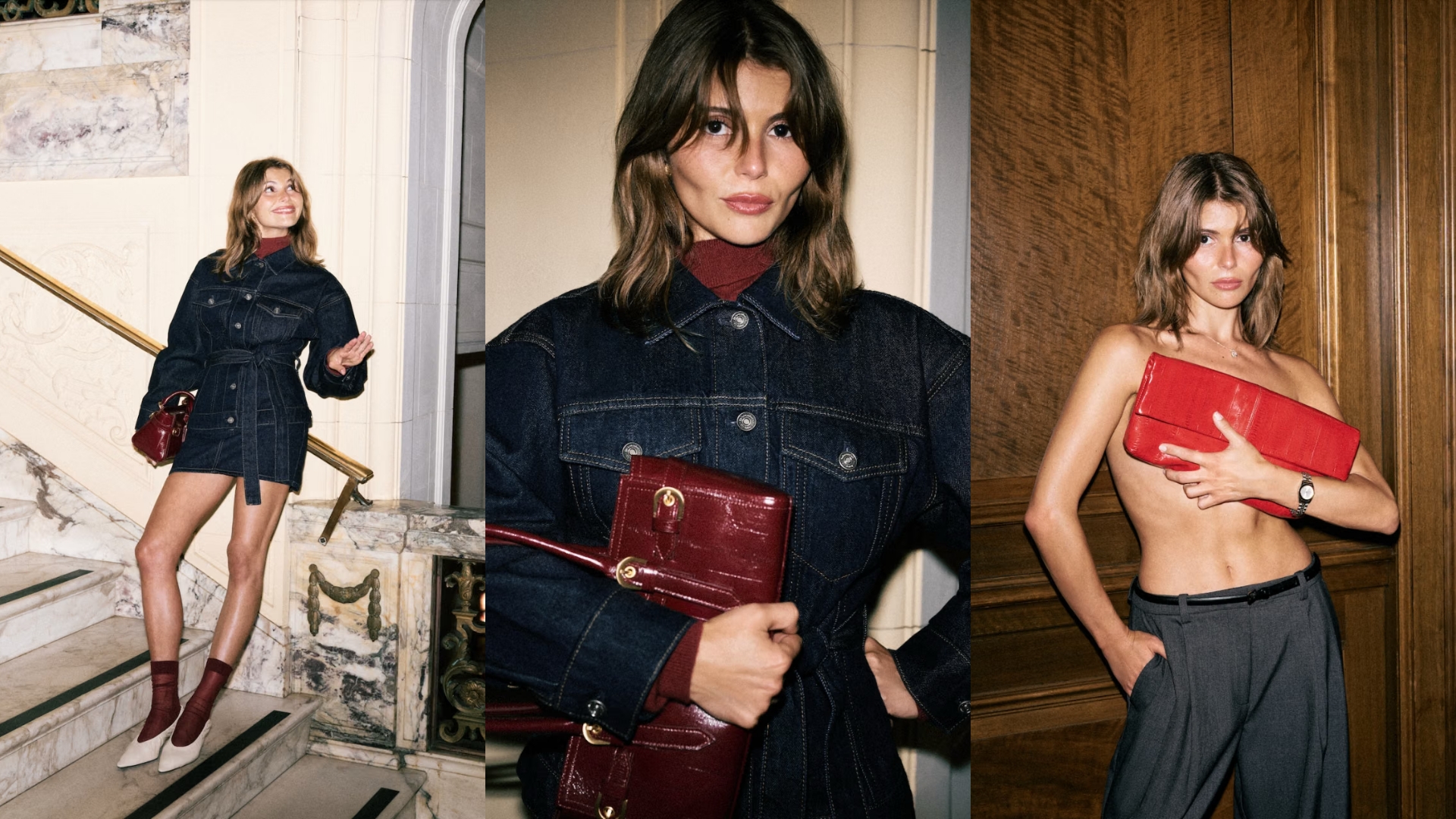
GANNI and lululemon provide a clear starting point. Their 22-piece collection, launched on 15 October, brings GANNI's leopard print, frills and dance references into lululemon's technical clothing. The campaign features Jennifer Beals and METTE. The connection between movement, performance fabrics and dance styling gives the partnership a coherent subject.
The useful detail is that each company contributes something a customer can identify. A familiar jacket or fabric can acquire a different mood without losing its intended use. For the existing customer, there is recognition. For someone drawn in by the collaborator, there is a reason to look at a category they may not usually browse.
Altering something familiar
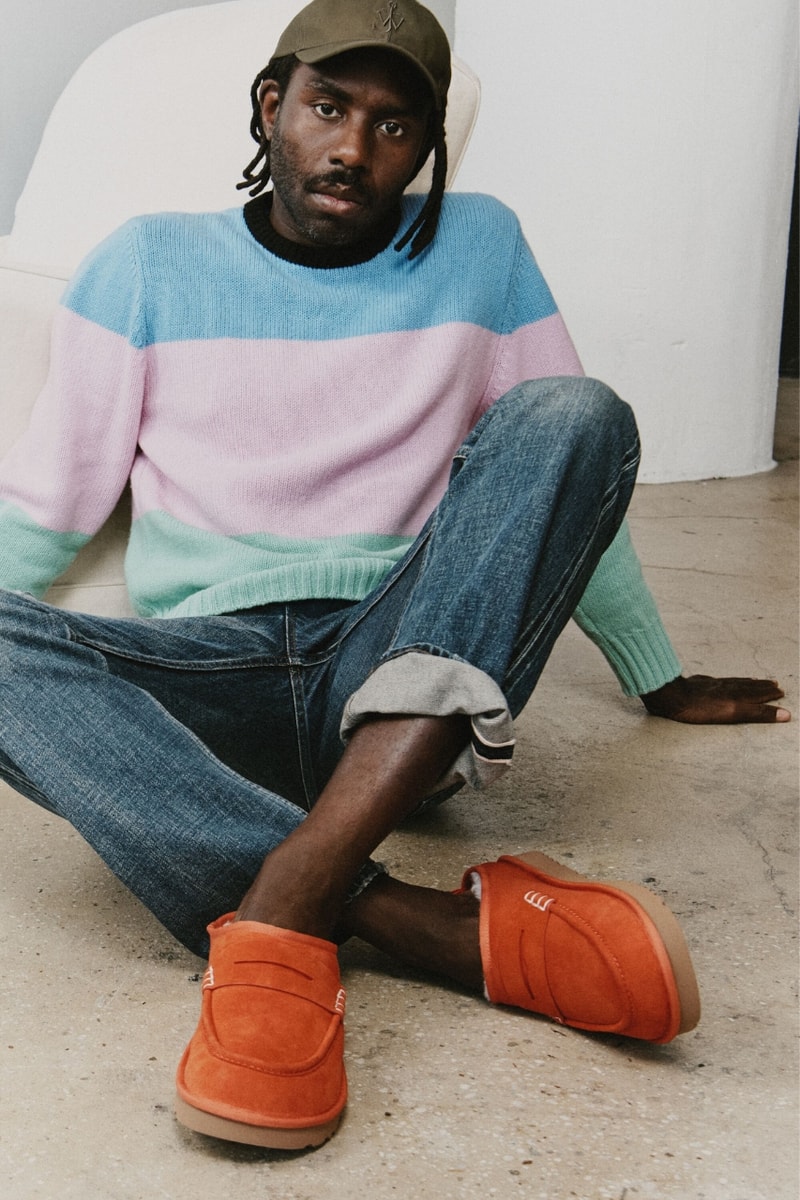
UGG and JW Anderson approach the same problem through shape. Their first footwear collection reworks UGG's Classic Boot and Tasman with penny-loafer references. The collection launched on 15 October, with Dev Hynes fronting the accompanying campaign.
The premise is easy to picture because both starting points are familiar. You can recognise an UGG and see the loafer detail that has changed it. The design invites a small double take, then offers the pleasure of understanding how the pieces fit together.
This is a useful model for a business with an established product. A collaborator can question one part of it without requiring the company to abandon everything customers recognise. The decision needs discipline. Change too little and the partnership is hard to see; change every feature and there may be no reason to attach the original brand name. LABRUM’s work with adidas and Arsenal offers another example of a designer’s point of view changing a familiar product.
A partnership can develop over time
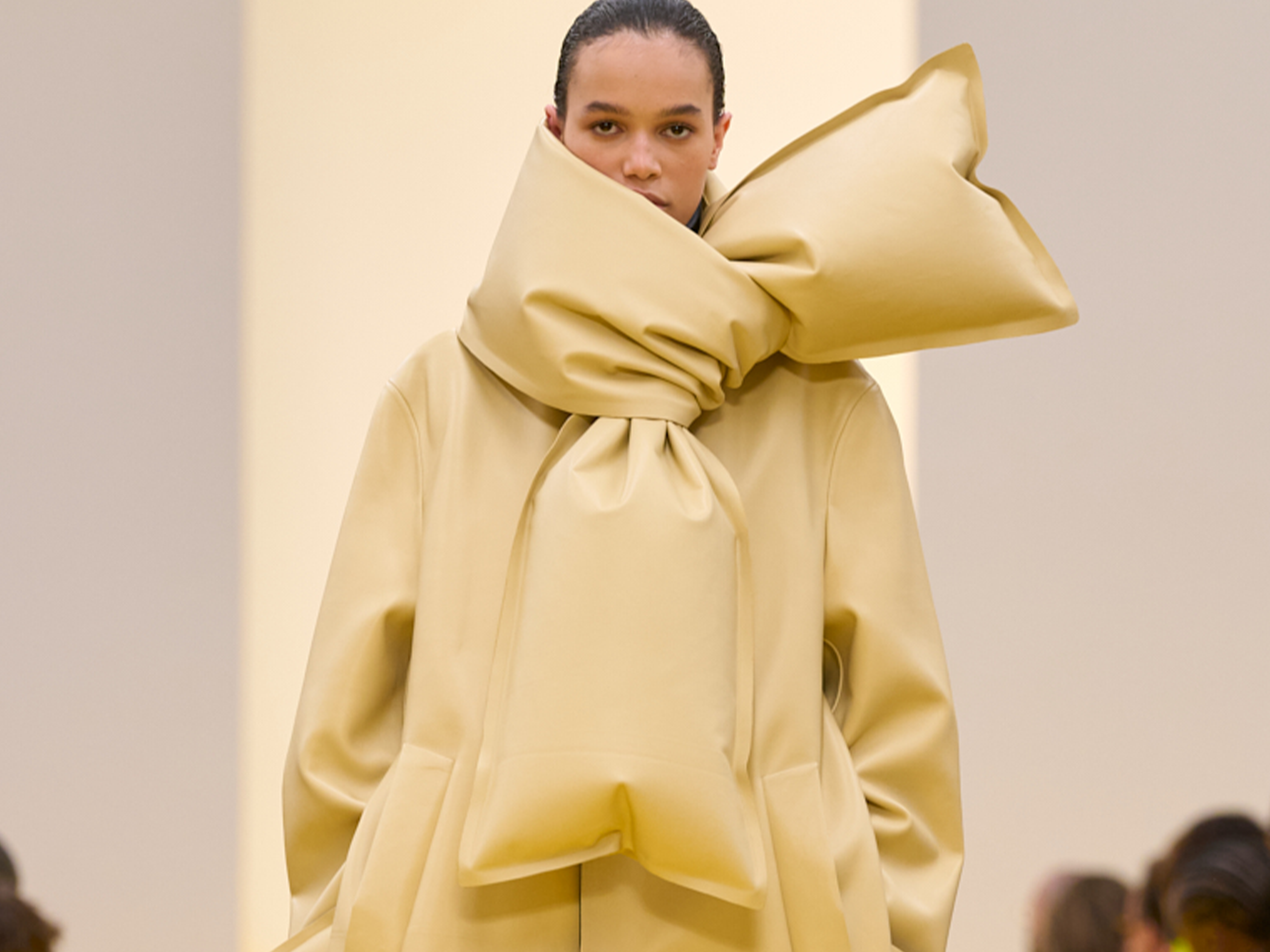
LOEWE and On's autumn collection gives the discussion a longer perspective. Their Fall/Winter 2026 offer includes the Cloudsolo Hiker and Cloudtilt Cosmic, with a 15 October launch listed on LOEWE's campaign page.
A continuing partnership has a different creative problem from a debut. The names themselves are less surprising, so the new work needs to justify another look. A fresh construction, use or point of view gives customers something to assess beyond the fact that the companies are together again.
We should resist treating another release as proof of profitability. It tells us the relationship continues. It does not reveal the agreement, the investment or the return. Equally, a sold-out product tells us little about scale unless the amount available is known. Those distinctions matter when brand teams use visible collaborations as evidence for their own business case.
A useful test before the announcement
For a smaller business, the first conversation should cover the object and the work. Which capability does each partner bring? Who will make the product, handle customer questions and carry unsold stock? Which audience has a clear reason to want the result?
Then write a single sentence describing what changes because the two companies are working together. It might be a familiar item made with a specialist material, a useful service added to an existing purchase or a distinctive illustration applied to a product people already use. Specificity makes the proposal easier to evaluate. For a material-led example, see how Wrangler and Imogene + Willie put denim’s past to work.
These three partnerships offer different answers, but they share a helpful quality: there is something to discuss after reading the names. That is the part worth carrying into the next collaboration meeting. Put the proposed product in the centre of the conversation and see how much explaining it needs.