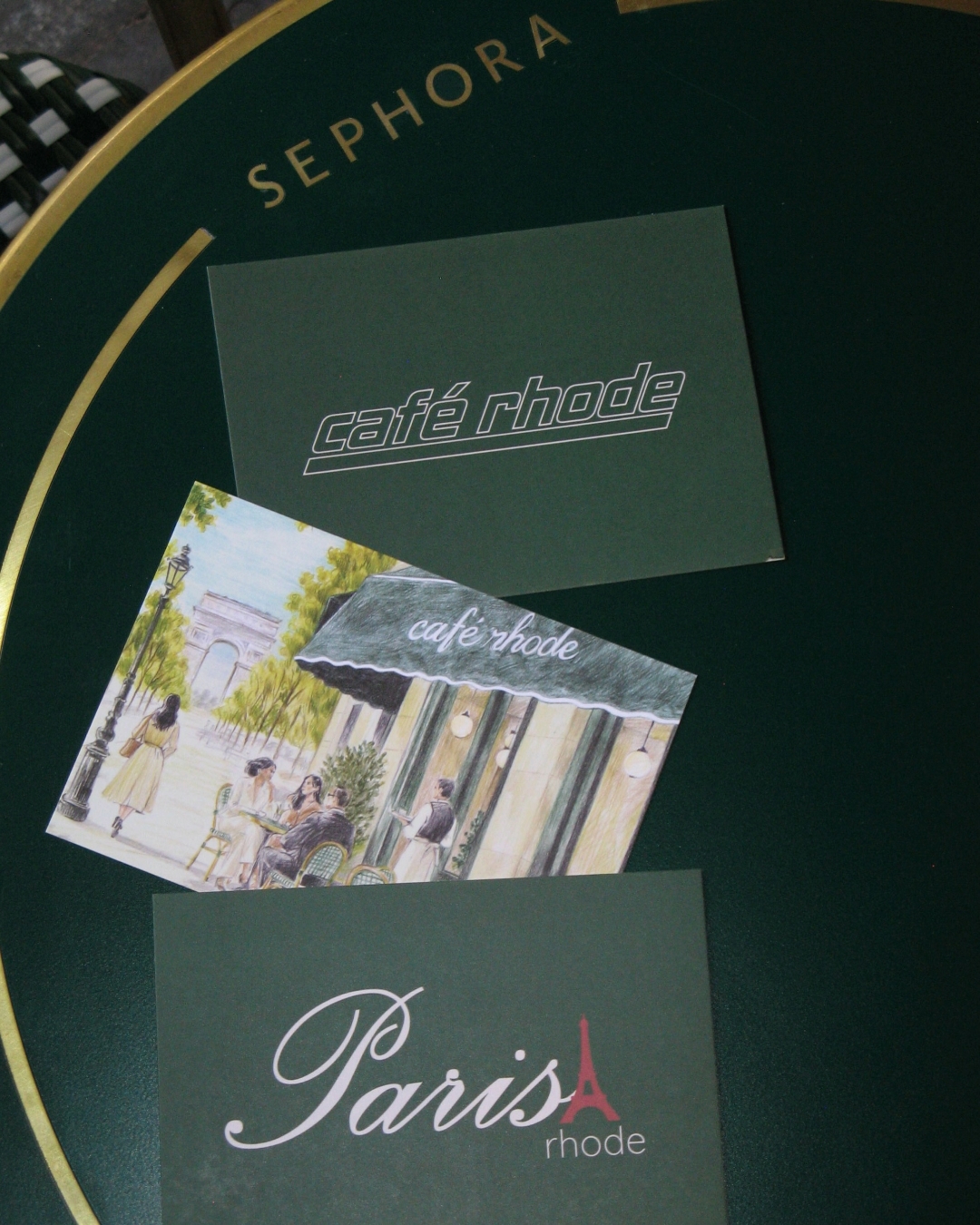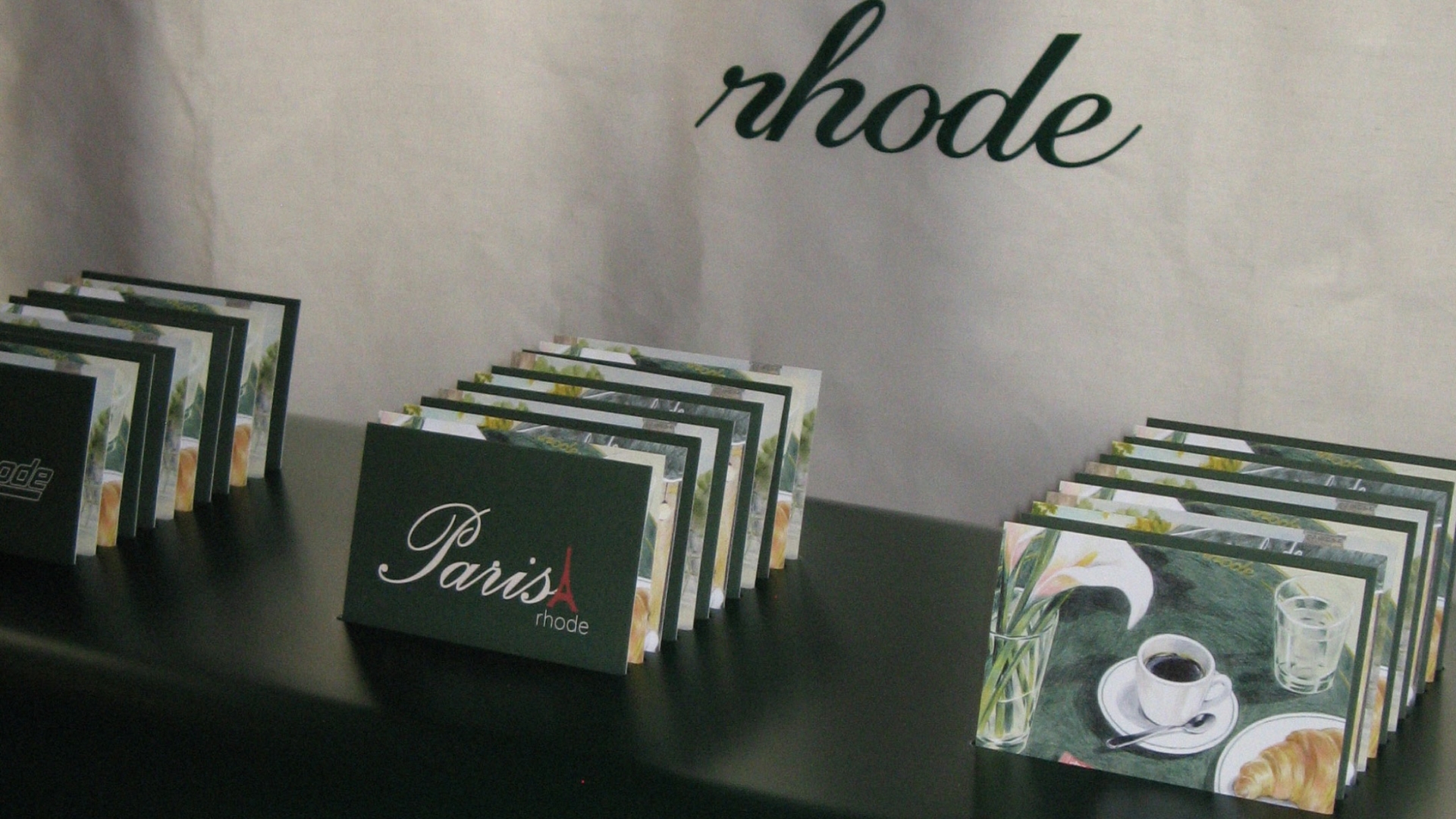
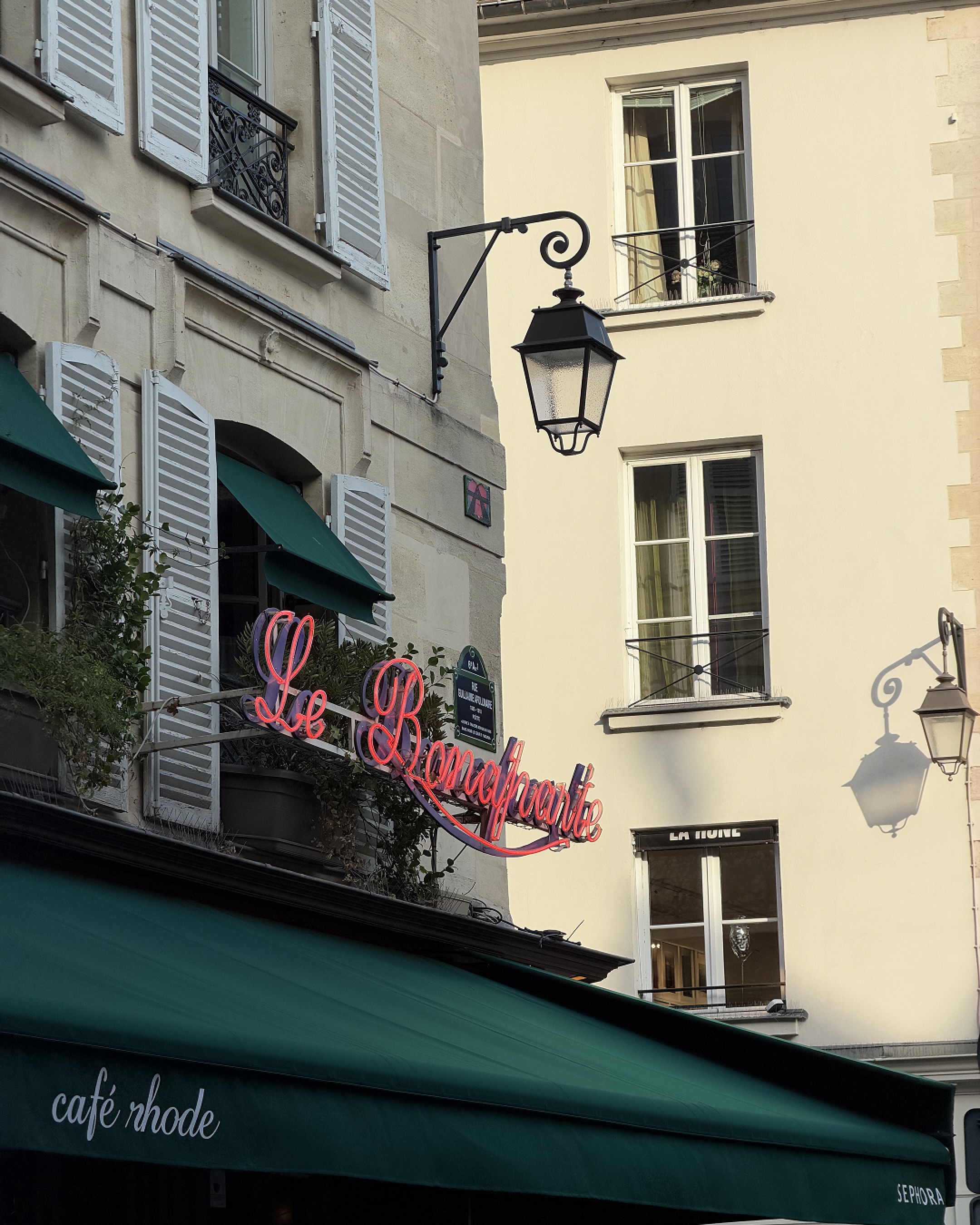
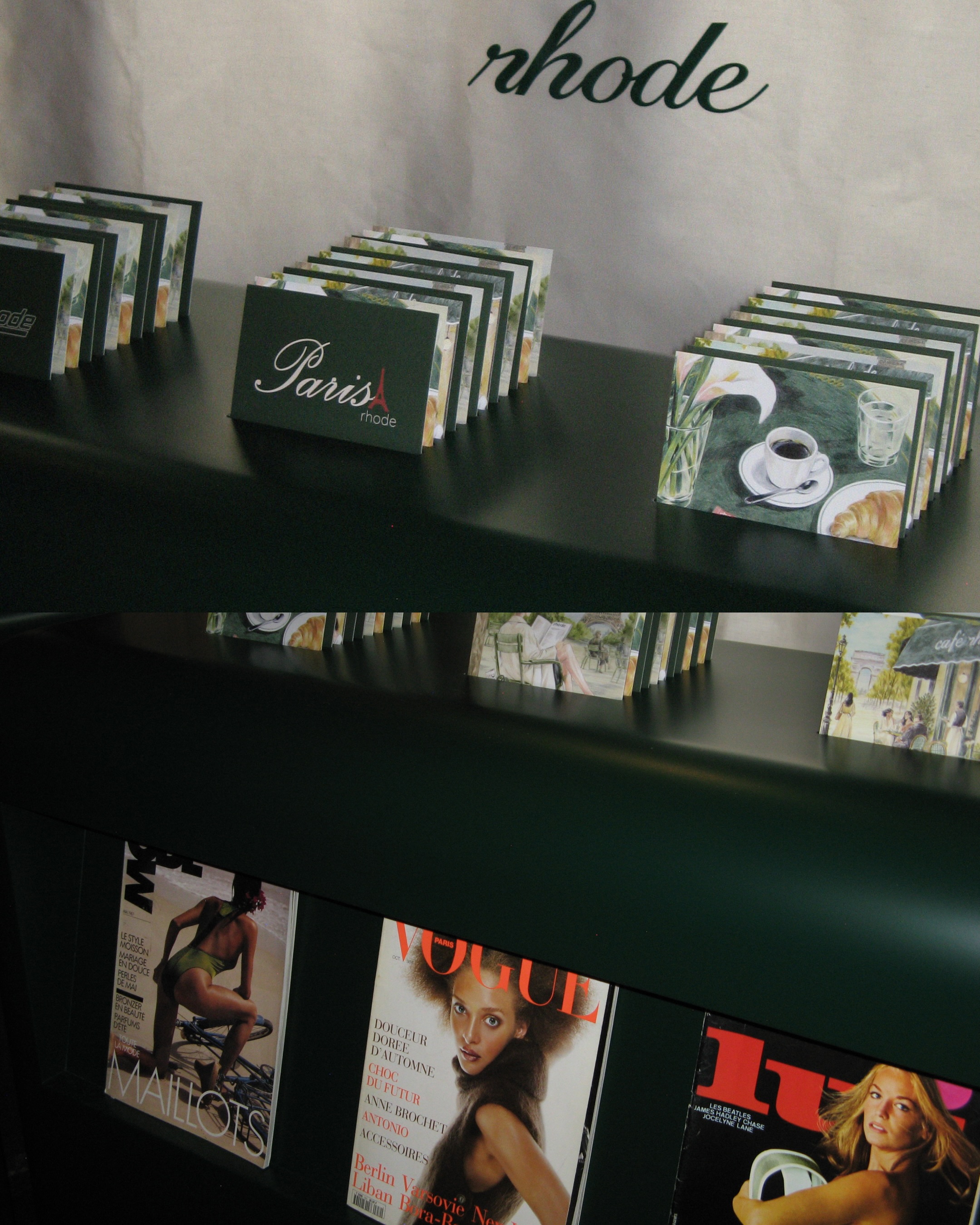
The location was 42 Rue Bonaparte. Diners needed reservations, released each day at 6am CEST, and received postcards plus a Rhode keepsake modelled on a metro card. That card connected the hospitality experience to a separate retail visit.
At Sephora’s Paris Rivoli, Opéra or Forum des Halles stores, it could be presented for a skincare sample with a Rhode purchase made by 5 October, while supplies lasted. It was not a transport ticket. By 6 October, both the café dates and the stated redemption period had passed.
The purchase condition is important. Describing this as simply a free sample for visiting a café would miss the commercial design. The guest was given a reason to make a subsequent purchase at a participating retailer. The keepsake helped carry that invitation from one location to another.
There is a practical logic to letting the café and the store do different jobs. A bistro can make the brand feel present in a city, provide something enjoyable to photograph and offer time with friends. A beauty retailer is equipped for the product encounter and transaction. Trying to make one temporary space perform every function would create a different experience.
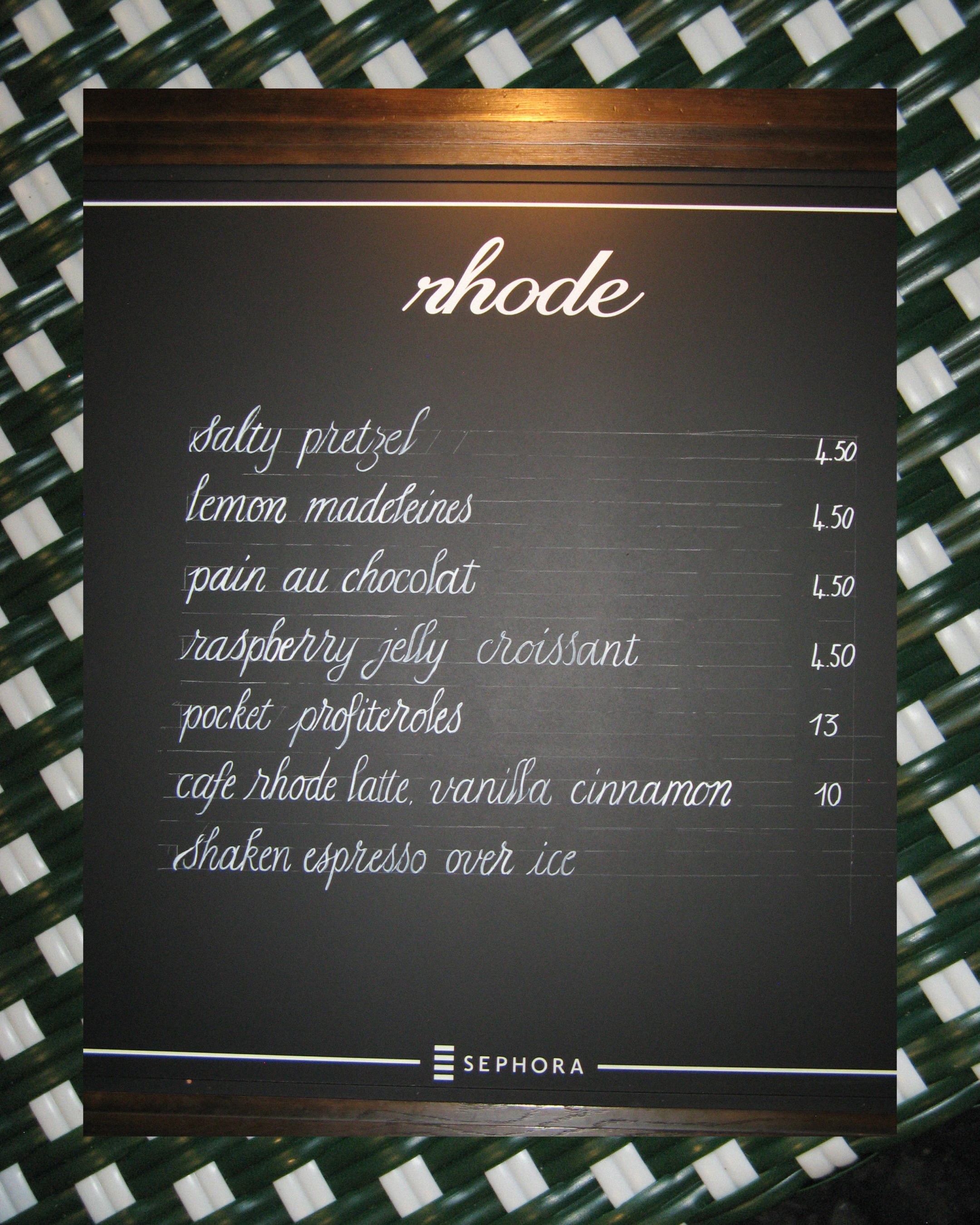
The choice of a recognisable Parisian setting also allows the brand to borrow an existing rhythm. People understand what to do at a café. They can imagine arriving, ordering and sitting for a while. Rhode does not have to explain the occasion before it can add its own layer to it.
The souvenir matters because it gives that layer a life after the table is cleared. A postcard can be kept or sent. A card can sit in a bag as a reminder. The design takes something that might otherwise be a fleeting encounter and turns it into an object that can prompt another action.
Its local reference also makes the mechanism feel more connected to the visit. A generic promotional slip could carry the same conditions. The metro-card idea places those conditions inside the language of moving around Paris. The clarification that it was not a valid ticket prevented the reference from becoming a practical misunderstanding.
Reservations introduce another trade-off. They allow a venue to manage a limited space and give confirmed guests a clearer plan. They also mean that access depends on knowing when to book and being able to do so. The friction becomes part of how the experience feels, particularly for someone who wants to attend but cannot secure a table.
The arrival experience therefore matters as much as the table setting. Clear booking information and a manageable welcome help turn anticipation into a good visit. The photographs show the part the brand can stage most visibly; the practical arrangements decide whether getting there feels like an invitation or an obstacle.

The retail connection nevertheless makes the structure unusually easy to follow. There was a defined occasion, a physical reminder and a specific next destination, with an expiry date and a purchase requirement. Each part had a role. The café could generate an association, while the card made the commercial follow-through explicit.
That is the detail worth taking from the case. Hospitality can help a beauty brand become part of someone’s day, but the route from enjoying the experience to buying the product still needs to be designed. Rhode put that route into a small object guests could carry away. The photograph recorded the visit; the card told them where to go next.



.svg)


.svg)
.svg)