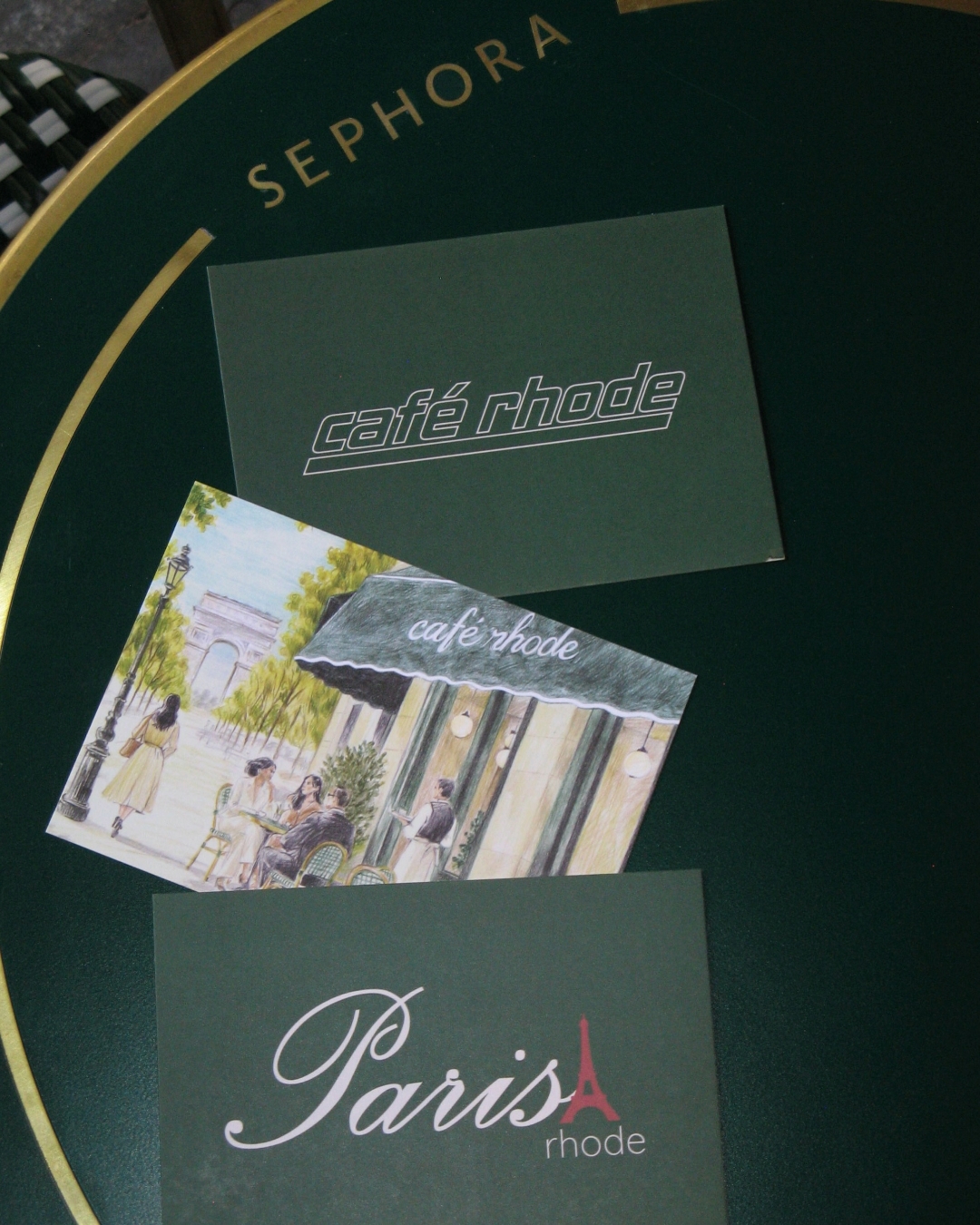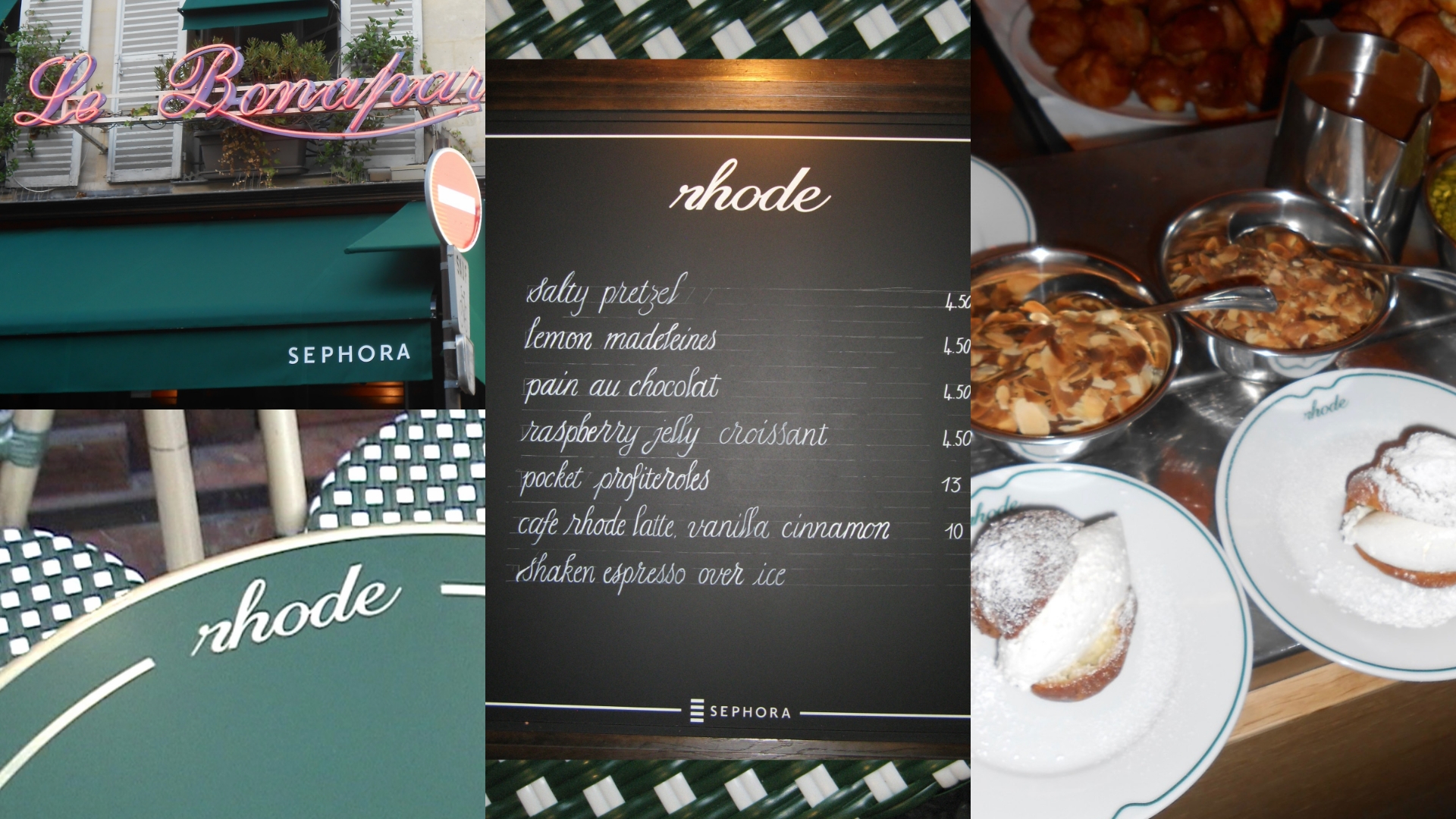
A familiar logo can change what we think we are entering. The door still leads to a café, but the visit promises a brief place inside a fashion house, a beauty routine or a particular idea of city life. The price of a drink buys a manageable encounter with a world that might otherwise feel out of reach.
There is nothing inherently silly about that. Atmosphere is part of what people pay for in cafés without a famous brand attached. We choose places because of how they make an hour feel. The branding becomes a problem only when the promise is much more developed than the experience.
Consider a temporary café that serves drinks but sells none of the brand’s main products. Visiting and shopping become separate stages. The café can offer a low-commitment introduction: an hour in the setting, a conversation, an object to keep. A later visit to a shop or website has to carry that interest further.
That separation changes what the café has to achieve. It cannot be judged only as a temporary shop. Its role is to give people an encounter with the brand that feels worth making time for, while making the next step understandable. The hospitality carries part of the argument that a product page would otherwise need to make.
We should also distinguish a temporary activation from a permanent café. A short run can concentrate attention around a launch. A permanent venue has to persuade people to return after the novelty has worn off, when they already have the photograph and know what the cups look like. Reliability starts to matter more than reveal.
The “would you still go if you couldn’t post it?” test is useful here, provided we do not use it to police other people’s enjoyment. Taking pictures can be part of having a good time. Sharing a visit can help friends discover somewhere they would like. The camera does not automatically make the experience shallow.
What the test exposes is how much value remains for the guest when the audience disappears. Is there something pleasant to eat or drink? Does the setting invite you to spend time there? Can you have a conversation without feeling in the way of someone else’s content? These are modest questions, which is exactly why they matter.
Imagine a hypothetical activation that looks immaculate but offers nowhere comfortable to sit. Every surface has been considered as an image, and very few have been considered as somewhere a human might put a bag. The oversight tells us that the venue has been designed primarily for circulation through media. The visitor is doing some of the distribution work while having a rather inconvenient afternoon.
Another event might be equally photogenic while making space for ordinary needs. Clear arrival information, a thoughtful queue and staff who can explain the concept all help the brand’s intention become something people can feel. None requires abandoning the visual idea. They require giving the guest as much consideration as the shot.
That has implications for measurement. Attendance tells us how many people arrived. Reach tells us something about how far the resulting material travelled. Neither, on its own, tells us whether people felt welcomed or would choose to return. The questions asked after the event should leave room for those less glamorous answers.
The most persuasive branded experiences make their commercial purpose easy to forgive because the visitor receives something worthwhile. A good afternoon is allowed to help sell a product. It simply needs to be a good afternoon first. The cup may explain why someone wanted a photograph; what happened around the table explains whether they remember the brand fondly.



.svg)


.svg)
.svg)