Insights

Everyone Wants Cultural Credibility. Who’s Paying for It?

By
Bibiana Obahor
August 5, 2026
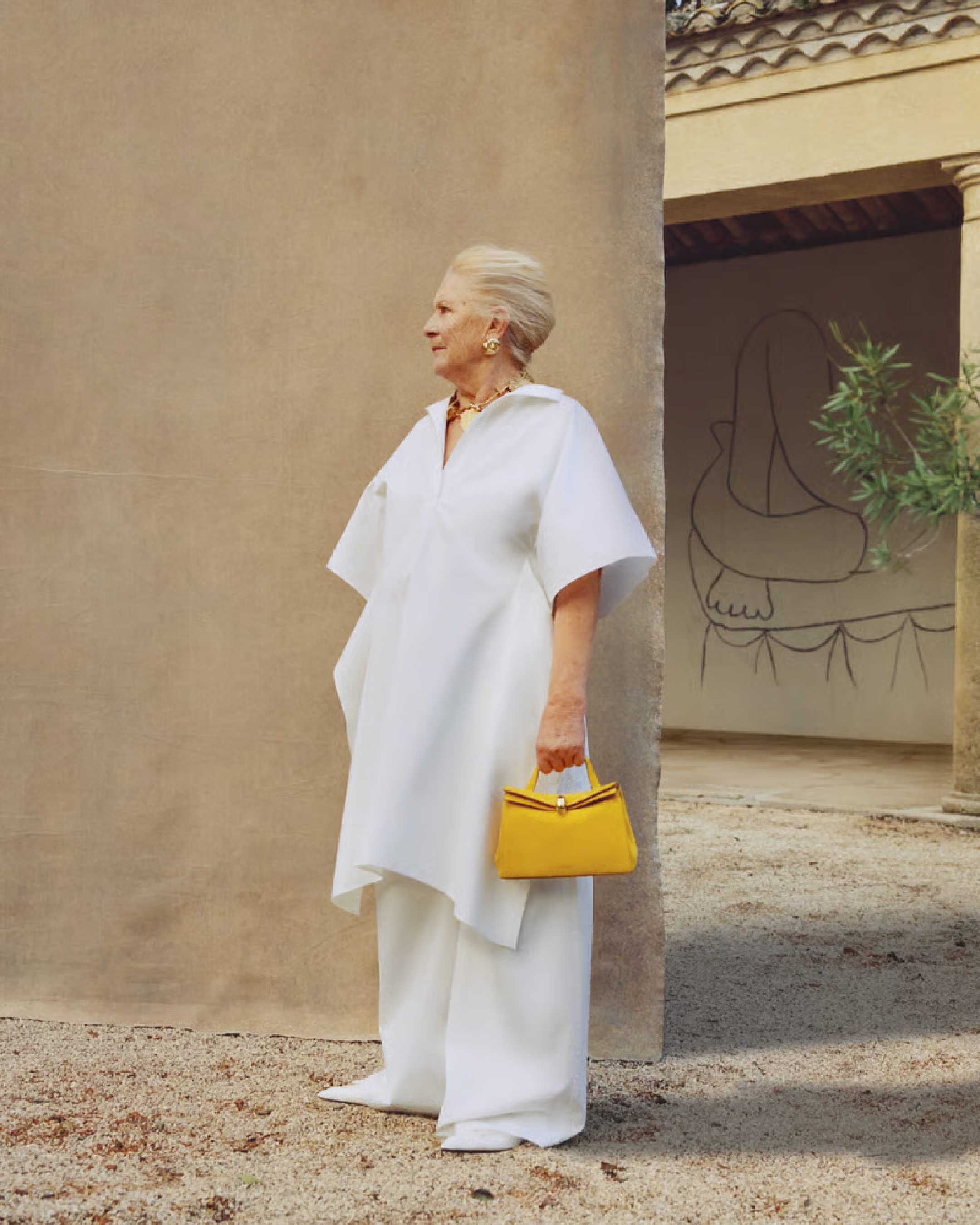
Images supplied by Desiree Design Studio
A brand can look well connected by tomorrow morning. Find an interesting artist, put the right people in a room and make sure the photographs travel. What takes longer to understand is the arrangement behind the image. Who had a say in the work? Who can use it next? Who was paid enough to make the project worthwhile? The answers tell us more about a creative partnership than the atmosphere at its launch.

Consider the moment after the photograph has done its job. The brand has material for its channels and another association to carry into the next campaign. The artist has a studio to run, time already spent and perhaps requests for further versions. A partnership needs to make sense at that moment too, when attention has moved elsewhere and the practical costs remain.

There are legitimate reasons for brands to collaborate with creative communities. A commission can fund a project that would otherwise struggle to exist. Distribution can introduce an artist to an audience interested in their work. A company may have space, equipment or practical expertise that helps. Commercial involvement is not inherently a contaminant.

The problem begins when the language of support becomes more generous than the arrangement. A large campaign can celebrate a local scene while leaving very little money or decision-making power with the people who made that scene attractive. The resulting story may be flattering, but flattery is difficult to build a studio budget around.

Imagine a hypothetical fashion brand asking an illustrator to create work for a launch. One proposal pays a fee for a clearly defined use, credits the artist properly and leaves room for them to decline changes that distort the work. Another offers similar visibility while asking for indefinite use across unspecified channels. The images might look equally good. The partnerships are materially different.

That is why the fee alone cannot carry the whole discussion. The period of use, the scope of revisions and the freedom to show the work all affect what the creator is giving up. A clear brief lets both sides understand the exchange before the work starts. Discovering new expectations after delivery makes even a generous-looking commission difficult to plan around.

Credit matters in a similarly concrete way. Naming a collaborator where people can find them helps interested viewers continue the relationship beyond the brand’s page. Burying the name several clicks away may technically acknowledge the contribution while making it less useful. A credit should function as a route to the person, not merely as evidence that a credit exists.

Then there is continuity. A one-off commission can be valuable on its own; it does not need to pretend to be a movement. Problems arise when a brand presents temporary access as a lasting commitment. If the campaign borrows the language of community, people are entitled to ask what happens when the production team leaves.

A useful budget names what it will pay for. Studio time, materials, installation, travel and the work of developing an idea do not disappear because the finished image looks effortless. Making those costs visible helps a brand understand what its commission requires. It also stops the artist quietly absorbing the gap between an ambitious concept and an incomplete allowance.

The same principle can apply to creative support. A brand might fund a defined residency, pay for a series of commissions or cover access to a working space for a stated period. The scale can be modest. Specificity makes it easier for collaborators to plan and for the public to distinguish intention from delivery.

For anyone writing about these projects, the visible work is only part of the story. It is reasonable to ask how the participants were selected, what they received and whether they helped shape the brief. If those details are unavailable, the coverage should not quietly convert a publicity claim into proof of meaningful support.

Culture does not arrive fully formed for brands to discover. People spend time developing skills, organising spaces and sustaining relationships before the partnership looks commercially interesting. A good collaboration recognises some of that work in its terms. The campaign may bring a company cultural credit; the people who made it possible should be able to point to something they received in return.

SUBSCRIBE

The ultimate guide for the modern brand owner, delivered straight to your inbox.
Thank you for subscribing!
Oops! Something went wrong while submitting the form.
Share button
linkedinpinterestmail
Insights

Everyone Wants Cultural Credibility. Who’s Paying for It?

A brand can look well connected by tomorrow morning. Find an interesting artist, put the right people in a room and make sure the photographs travel. What takes longer to understand is the arrangement behind the image. Who had a say in the work? Who can use it next? Who was paid enough to make the project worthwhile? The answers tell us more about a creative partnership than the atmosphere at its launch.

By
Bibiana Obahor
August 5, 2026
Images supplied by Desiree Design Studio

Consider the moment after the photograph has done its job. The brand has material for its channels and another association to carry into the next campaign. The artist has a studio to run, time already spent and perhaps requests for further versions. A partnership needs to make sense at that moment too, when attention has moved elsewhere and the practical costs remain.

There are legitimate reasons for brands to collaborate with creative communities. A commission can fund a project that would otherwise struggle to exist. Distribution can introduce an artist to an audience interested in their work. A company may have space, equipment or practical expertise that helps. Commercial involvement is not inherently a contaminant.

The problem begins when the language of support becomes more generous than the arrangement. A large campaign can celebrate a local scene while leaving very little money or decision-making power with the people who made that scene attractive. The resulting story may be flattering, but flattery is difficult to build a studio budget around.

Imagine a hypothetical fashion brand asking an illustrator to create work for a launch. One proposal pays a fee for a clearly defined use, credits the artist properly and leaves room for them to decline changes that distort the work. Another offers similar visibility while asking for indefinite use across unspecified channels. The images might look equally good. The partnerships are materially different.

That is why the fee alone cannot carry the whole discussion. The period of use, the scope of revisions and the freedom to show the work all affect what the creator is giving up. A clear brief lets both sides understand the exchange before the work starts. Discovering new expectations after delivery makes even a generous-looking commission difficult to plan around.

Credit matters in a similarly concrete way. Naming a collaborator where people can find them helps interested viewers continue the relationship beyond the brand’s page. Burying the name several clicks away may technically acknowledge the contribution while making it less useful. A credit should function as a route to the person, not merely as evidence that a credit exists.

Then there is continuity. A one-off commission can be valuable on its own; it does not need to pretend to be a movement. Problems arise when a brand presents temporary access as a lasting commitment. If the campaign borrows the language of community, people are entitled to ask what happens when the production team leaves.

A useful budget names what it will pay for. Studio time, materials, installation, travel and the work of developing an idea do not disappear because the finished image looks effortless. Making those costs visible helps a brand understand what its commission requires. It also stops the artist quietly absorbing the gap between an ambitious concept and an incomplete allowance.

The same principle can apply to creative support. A brand might fund a defined residency, pay for a series of commissions or cover access to a working space for a stated period. The scale can be modest. Specificity makes it easier for collaborators to plan and for the public to distinguish intention from delivery.

For anyone writing about these projects, the visible work is only part of the story. It is reasonable to ask how the participants were selected, what they received and whether they helped shape the brief. If those details are unavailable, the coverage should not quietly convert a publicity claim into proof of meaningful support.

Culture does not arrive fully formed for brands to discover. People spend time developing skills, organising spaces and sustaining relationships before the partnership looks commercially interesting. A good collaboration recognises some of that work in its terms. The campaign may bring a company cultural credit; the people who made it possible should be able to point to something they received in return.

Share button
linkedinpinterestmail
Insights

Everyone Wants Cultural Credibility. Who’s Paying for It?

A brand can look well connected by tomorrow morning. Find an interesting artist, put the right people in a room and make sure the photographs travel. What takes longer to understand is the arrangement behind the image. Who had a say in the work? Who can use it next? Who was paid enough to make the project worthwhile? The answers tell us more about a creative partnership than the atmosphere at its launch.

By
Bibiana Obahor
August 5, 2026
Images supplied by Desiree Design Studio

Consider the moment after the photograph has done its job. The brand has material for its channels and another association to carry into the next campaign. The artist has a studio to run, time already spent and perhaps requests for further versions. A partnership needs to make sense at that moment too, when attention has moved elsewhere and the practical costs remain.

There are legitimate reasons for brands to collaborate with creative communities. A commission can fund a project that would otherwise struggle to exist. Distribution can introduce an artist to an audience interested in their work. A company may have space, equipment or practical expertise that helps. Commercial involvement is not inherently a contaminant.

The problem begins when the language of support becomes more generous than the arrangement. A large campaign can celebrate a local scene while leaving very little money or decision-making power with the people who made that scene attractive. The resulting story may be flattering, but flattery is difficult to build a studio budget around.

Imagine a hypothetical fashion brand asking an illustrator to create work for a launch. One proposal pays a fee for a clearly defined use, credits the artist properly and leaves room for them to decline changes that distort the work. Another offers similar visibility while asking for indefinite use across unspecified channels. The images might look equally good. The partnerships are materially different.

That is why the fee alone cannot carry the whole discussion. The period of use, the scope of revisions and the freedom to show the work all affect what the creator is giving up. A clear brief lets both sides understand the exchange before the work starts. Discovering new expectations after delivery makes even a generous-looking commission difficult to plan around.

Credit matters in a similarly concrete way. Naming a collaborator where people can find them helps interested viewers continue the relationship beyond the brand’s page. Burying the name several clicks away may technically acknowledge the contribution while making it less useful. A credit should function as a route to the person, not merely as evidence that a credit exists.

Then there is continuity. A one-off commission can be valuable on its own; it does not need to pretend to be a movement. Problems arise when a brand presents temporary access as a lasting commitment. If the campaign borrows the language of community, people are entitled to ask what happens when the production team leaves.

A useful budget names what it will pay for. Studio time, materials, installation, travel and the work of developing an idea do not disappear because the finished image looks effortless. Making those costs visible helps a brand understand what its commission requires. It also stops the artist quietly absorbing the gap between an ambitious concept and an incomplete allowance.

The same principle can apply to creative support. A brand might fund a defined residency, pay for a series of commissions or cover access to a working space for a stated period. The scale can be modest. Specificity makes it easier for collaborators to plan and for the public to distinguish intention from delivery.

For anyone writing about these projects, the visible work is only part of the story. It is reasonable to ask how the participants were selected, what they received and whether they helped shape the brief. If those details are unavailable, the coverage should not quietly convert a publicity claim into proof of meaningful support.

Culture does not arrive fully formed for brands to discover. People spend time developing skills, organising spaces and sustaining relationships before the partnership looks commercially interesting. A good collaboration recognises some of that work in its terms. The campaign may bring a company cultural credit; the people who made it possible should be able to point to something they received in return.

Share button
linkedinpinterestmail
Insights

Everyone Wants Cultural Credibility. Who’s Paying for It?

By
Bibiana Obahor
August 5, 2026
Images supplied by Desiree Design Studio
A brand can look well connected by tomorrow morning. Find an interesting artist, put the right people in a room and make sure the photographs travel. What takes longer to understand is the arrangement behind the image. Who had a say in the work? Who can use it next? Who was paid enough to make the project worthwhile? The answers tell us more about a creative partnership than the atmosphere at its launch.

While the brands mentioned are not sponsored or paid advertisements, some of the products highlighted may earn us a commission.

Sign up for our newsletter to receive the latest brand news and insights from Brand Insider.

Share button
linkedinpinterestmail
⌃