Saie's October London activation turned the Regency Café in Westminster into the Saie Chip Shop to mark its arrival at Sephora UK. The takeover kept the café setting recognisable, adding branded signs, product displays and lilac bistro curtains. The photograph is full of small translations: a paper hat becomes brand merchandise, a chip cone takes on Saie's colour palette, a neighbourhood counter becomes a beauty launch.
There is a commercial development beneath the styling. Saie's Sephora UK launch on 6 October introduced its first physical retail presence in the UK and Europe, according to TheIndustry.beauty. The brand had already been available to British shoppers online through Cult Beauty. This was therefore a change in how people could encounter the products, rather than the first time they could buy them in Britain.
A setting with its own character
The café does some of the creative work before the branding arrives. Its counter and windows provide a recognisable frame, and the chip-shop reference gives the launch a local accent. Saie's lilac details are easier to notice against that existing character than they might be inside a space made entirely in one brand colour.
That is why location selection deserves to happen early in an event brief. An existing place has habits and expectations attached to it. Those can help a new experience make sense, but they can also be flattened by an overenthusiastic takeover. The more interesting question is which parts of the place should remain visible. Our look at the branded café experience asks what happens when the service has to live up to the setting.
Here, the contrast between beauty products and a familiar food counter gives people a simple way to explain what they have seen. You could describe the idea to a friend without showing them the invitation. That clarity matters when an activation is expected to travel through other people's photographs and conversation.
The next visit matters too
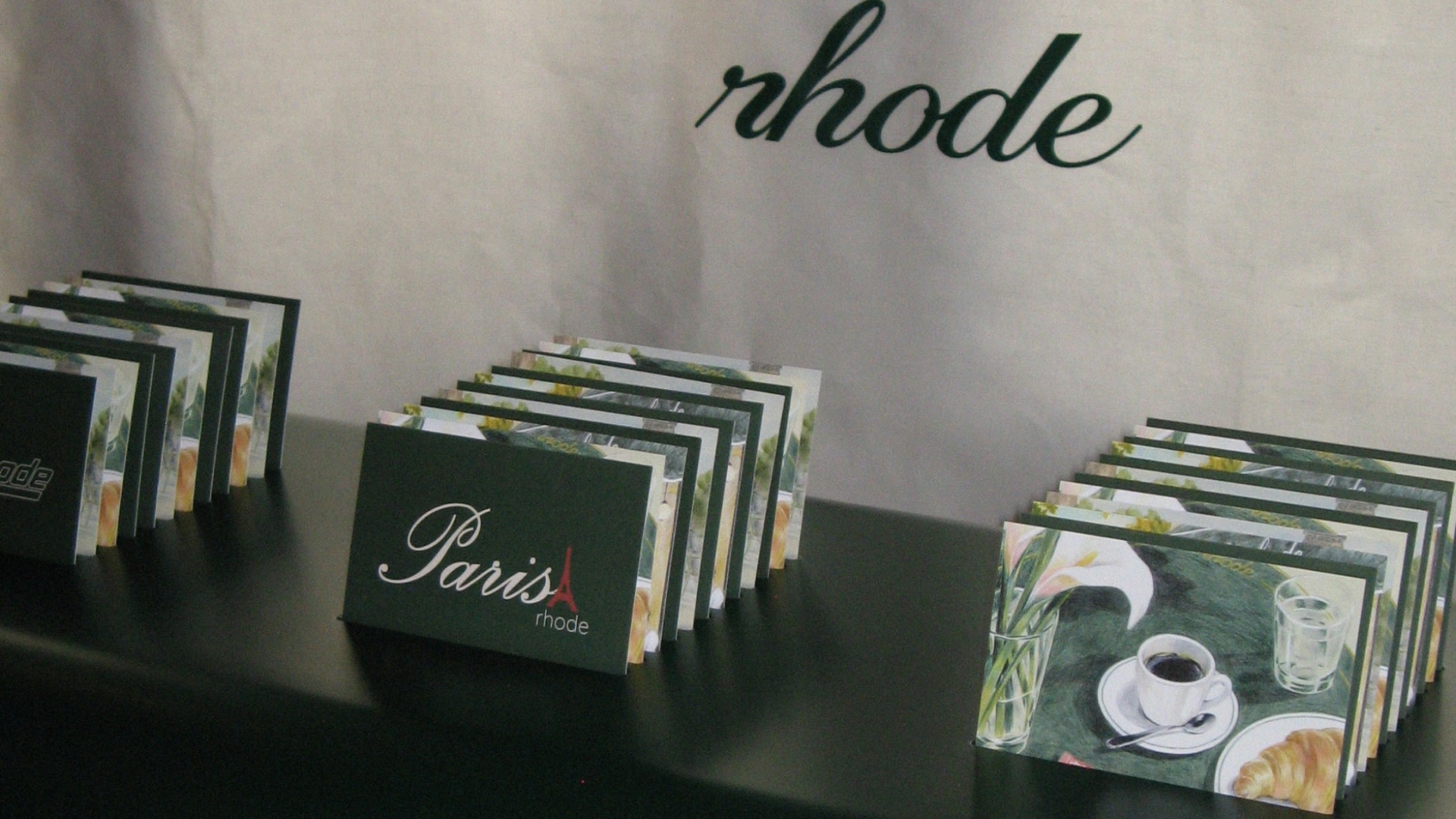
A pop-up has a short life. A retail partnership is supposed to have a longer one. Saie's task is to connect the memorable encounter with the useful next action: seeing the products in a shop, testing a shade or learning where to buy them. Sephora UK's current Saie range provides that continuing destination. Rhode used a comparable handover between hospitality and shopping in its Paris café and Sephora activation.
For a business planning its own event, the practical questions are fairly ordinary. Can a visitor find the product afterwards? Will staff in the permanent shop recognise the campaign? Does the follow-up explain the offer clearly? A brilliant photograph cannot answer those questions on the customer's behalf.
Measurement should follow the same sequence. Attendance and social posts describe the event's reach. Product trials, relevant store visits and subsequent purchases describe different actions. They should be recorded separately where possible. There is no published sales evidence in the material reviewed here that lets us declare the chip shop a commercial success.
What we can assess is the idea. Saie found a setting that made a beauty launch easy to recognise, easy to photograph and locally specific. The useful lesson for a smaller brand is to choose a place that helps a stranger enter the story, then make the route from that story to the product just as clear.