Case Studies

You Can Dress for Kith’s Private Club. Membership Is Another Matter.

By
The Desiree Team
October 5, 2026
Images supplied by Desiree Design Studio
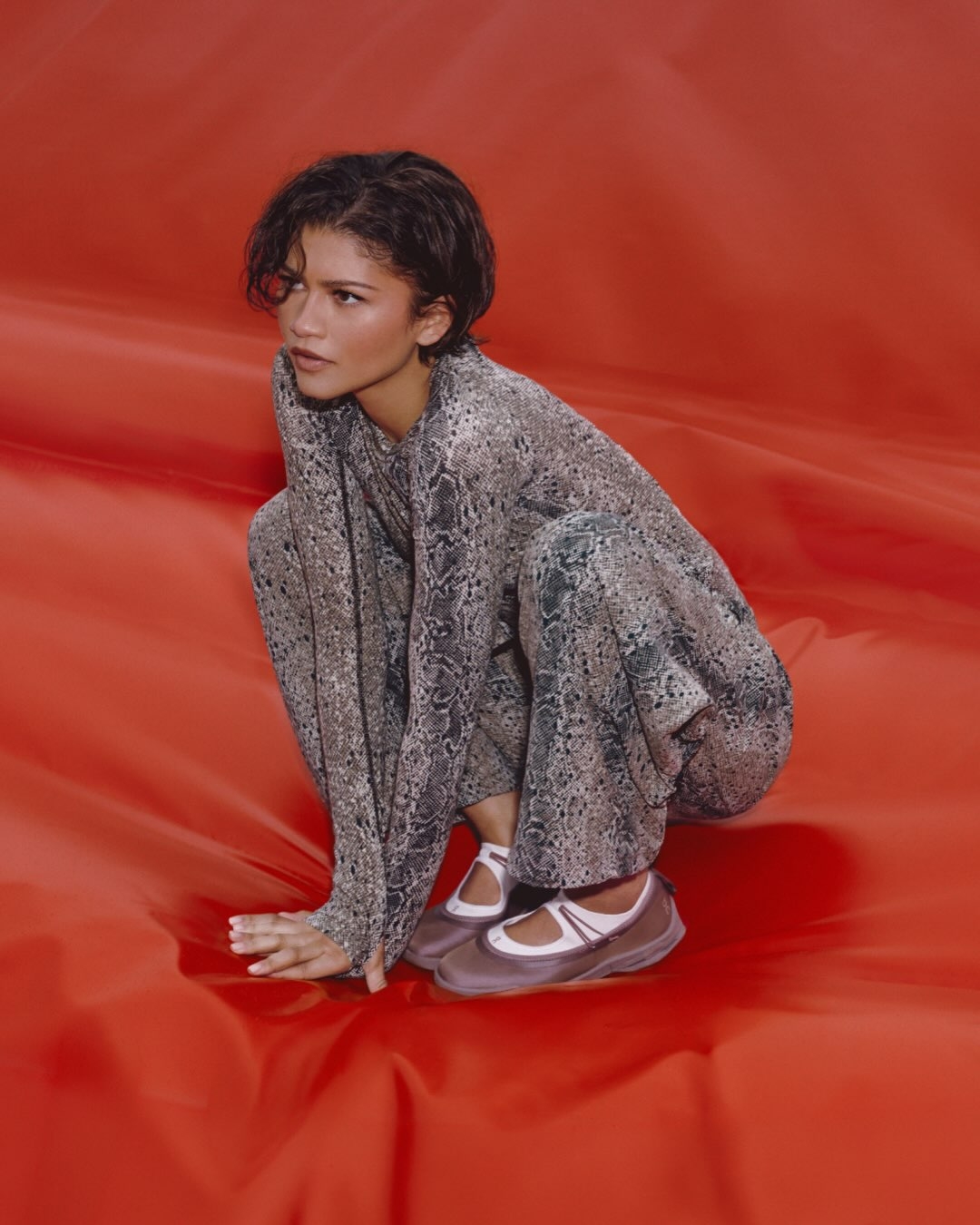
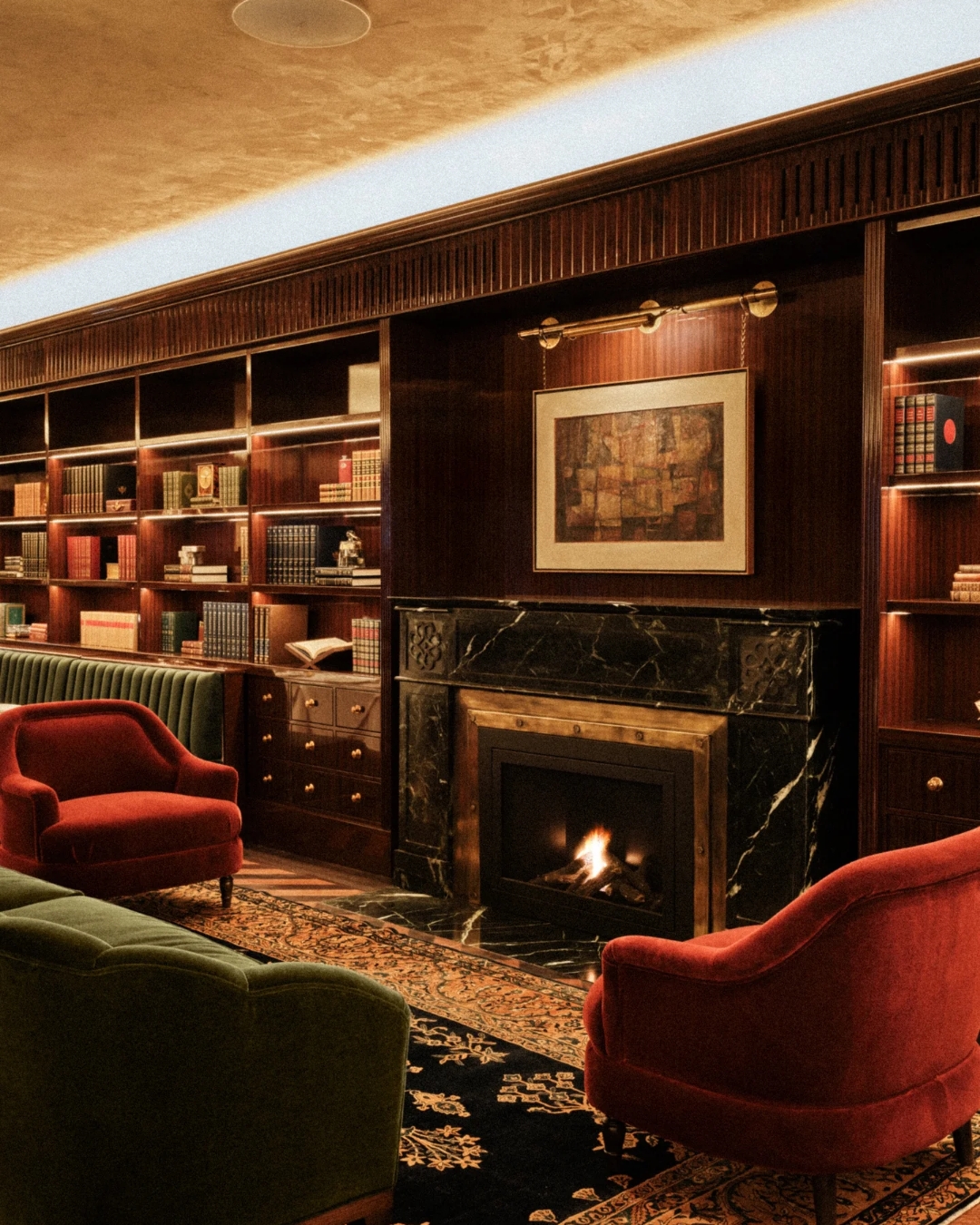
There is a private club behind Kith Ivy, but you do not need a membership to buy into its wardrobe. The second collection brings tailoring, padel clothing and loungewear together inside a carefully imagined day, with Giorgio Armani and Wilson helping to explain the different occasions. A sofa beside a racket tells much of the story. The collection sells a recognisable idea of club life while leaving the actual place with its own rules of entry.

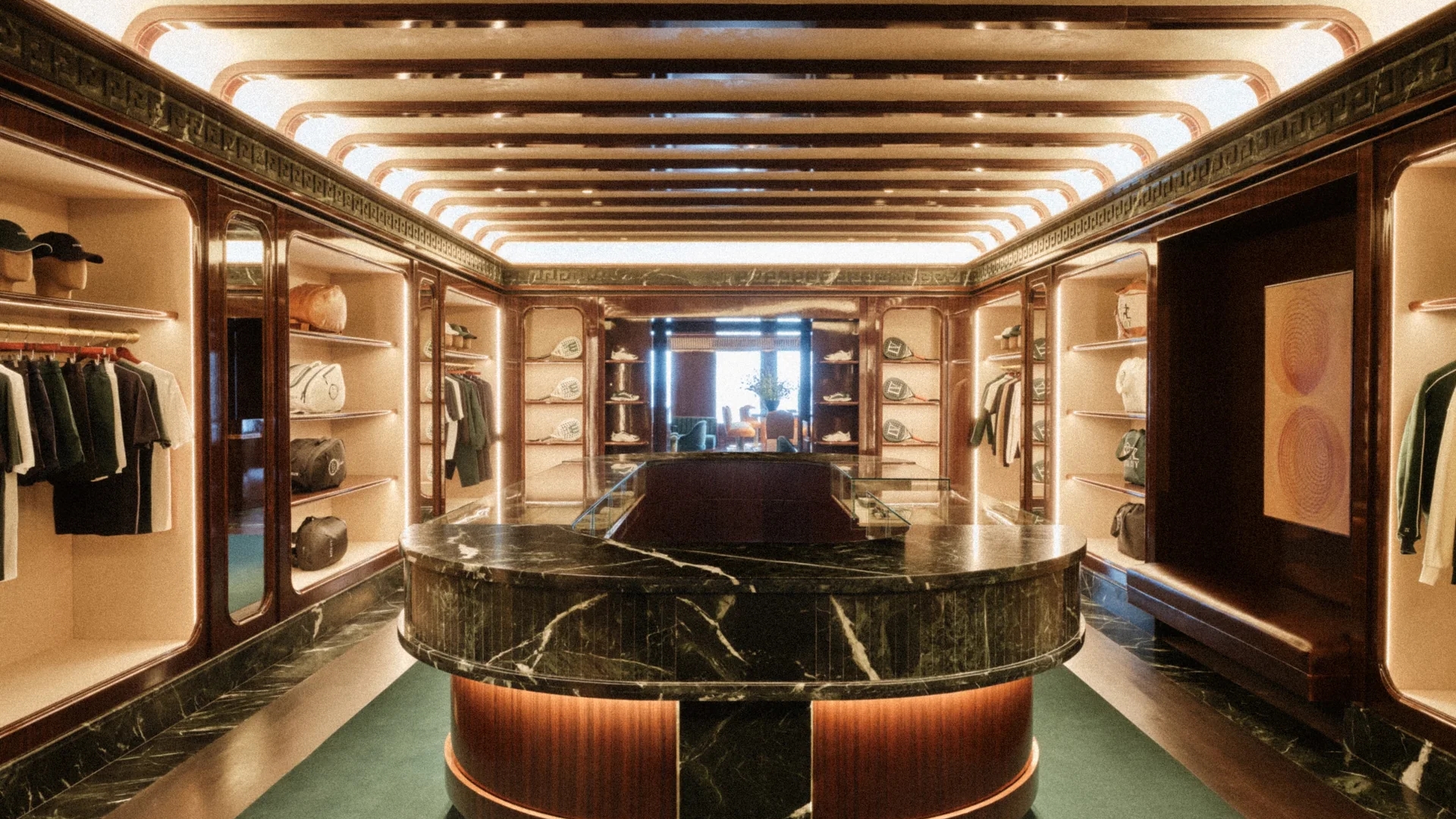
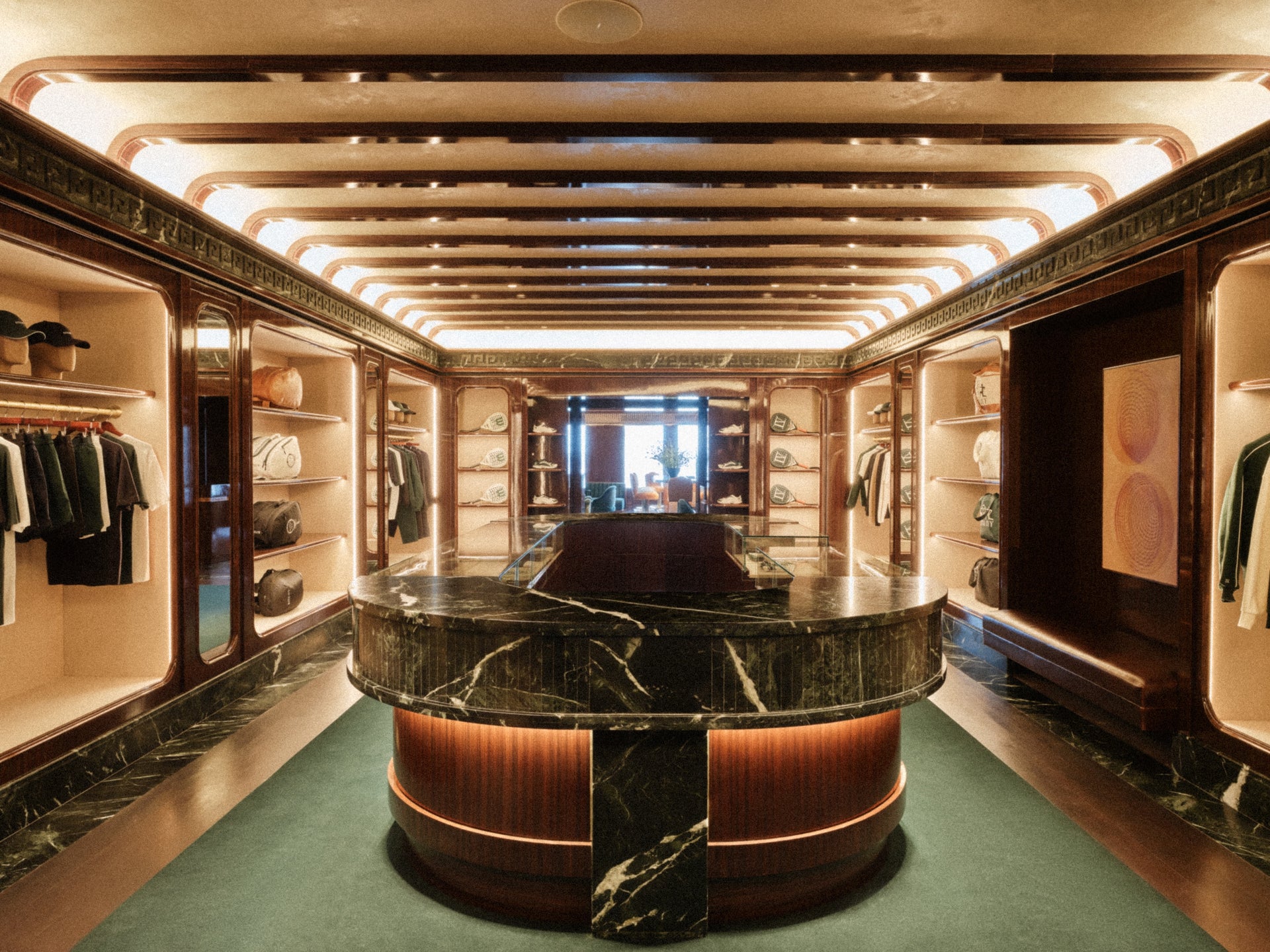
That is the proposition behind the latest Kith Ivy collection, released on 5 October. Ivy is Ronnie Fieg’s private wellness and padel club in New York’s West Village, and this is its second collection. Clothing and accessories carry the club’s identity into a wider retail offer, including collaborations with Giorgio Armani and Wilson.

Armani’s involvement extends from the club’s spa partnership into tailoring. Wilson brings sports clothing, footwear and equipment. The range also includes Kith Ivy loungewear, with the signature Stadium green helping connect the different categories. The release was offered through Kith’s website and app as well as the club.
‍

The distribution is an important detail. The place is private, while parts of its visual identity can be bought through public retail channels. A customer can participate in the idea of the club without the collection itself conferring membership. The product and the venue offer related but different forms of access.

That can be commercially useful because a place gives merchandise a richer story than a logo alone. A polo, racket bag or sweatshirt can appear to belong to an existing routine. The imagined wearer has somewhere to go and things to do there. The club supplies context that an ordinary seasonal campaign would otherwise need to invent.

The partnerships also help make the range legible. Tailoring and performance equipment require different kinds of credibility. Bringing in businesses associated with those areas gives the customer a starting point for understanding each category. It does not eliminate the need to evaluate the actual product, but it helps explain why the assortment stretches as far as it does.
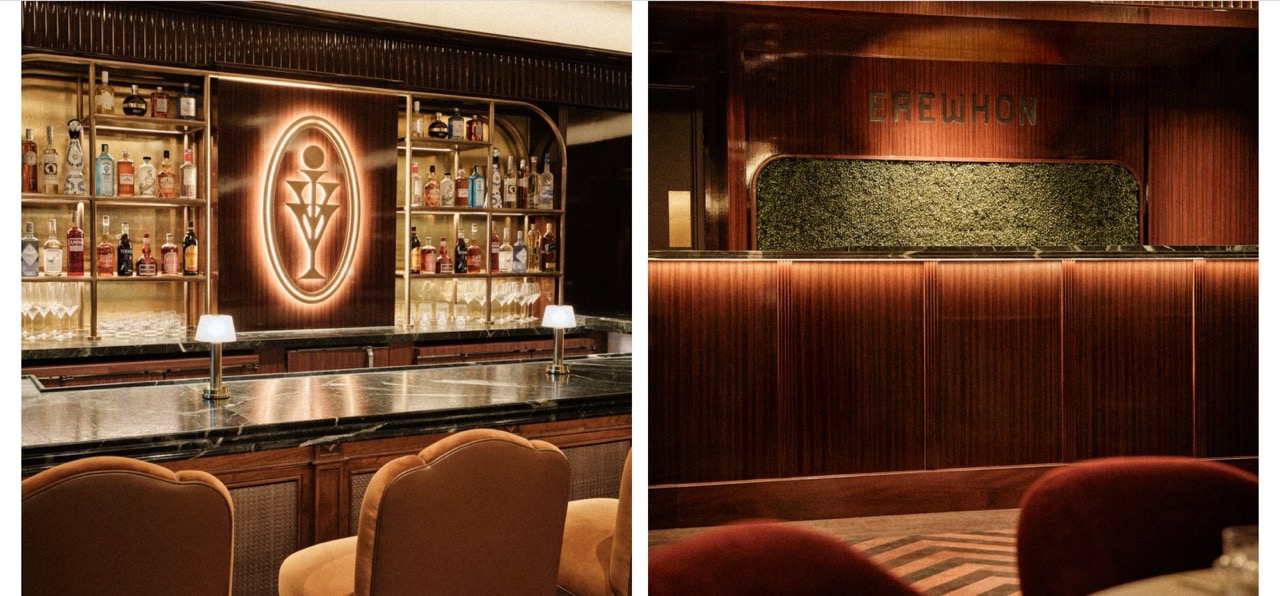
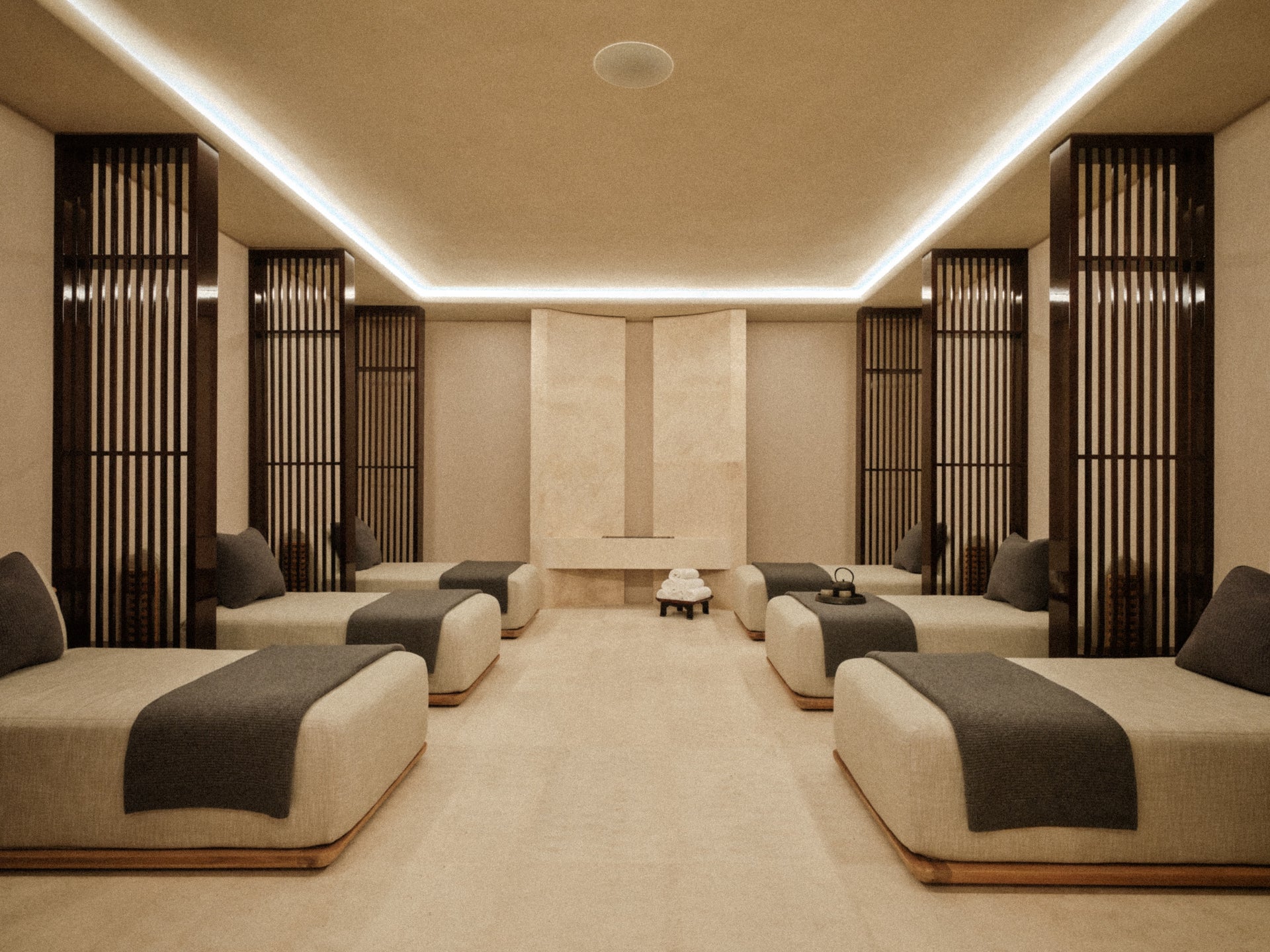
The campaign setting joins those categories through atmosphere. A sofa beside sporting cues suggests that the time around the game matters as much as the game itself. It invites the customer to imagine arriving, playing, changing and staying. The clothing has several occasions to serve within one day.

That is a broader proposition than simply making padel look fashionable. The collection uses sport as an organising activity for a way of spending time. Once that setting is established, pieces that might look unrelated on a plain retail page can feel like parts of the same wardrobe.

There is a delicate balance in doing this well. Sports products need to work in use. Lifestyle imagery cannot tell a customer whether a shoe suits their movement or a racket suits their game. The collaboration should make technical information easier to find, rather than allowing the setting to stand in for it.
‍

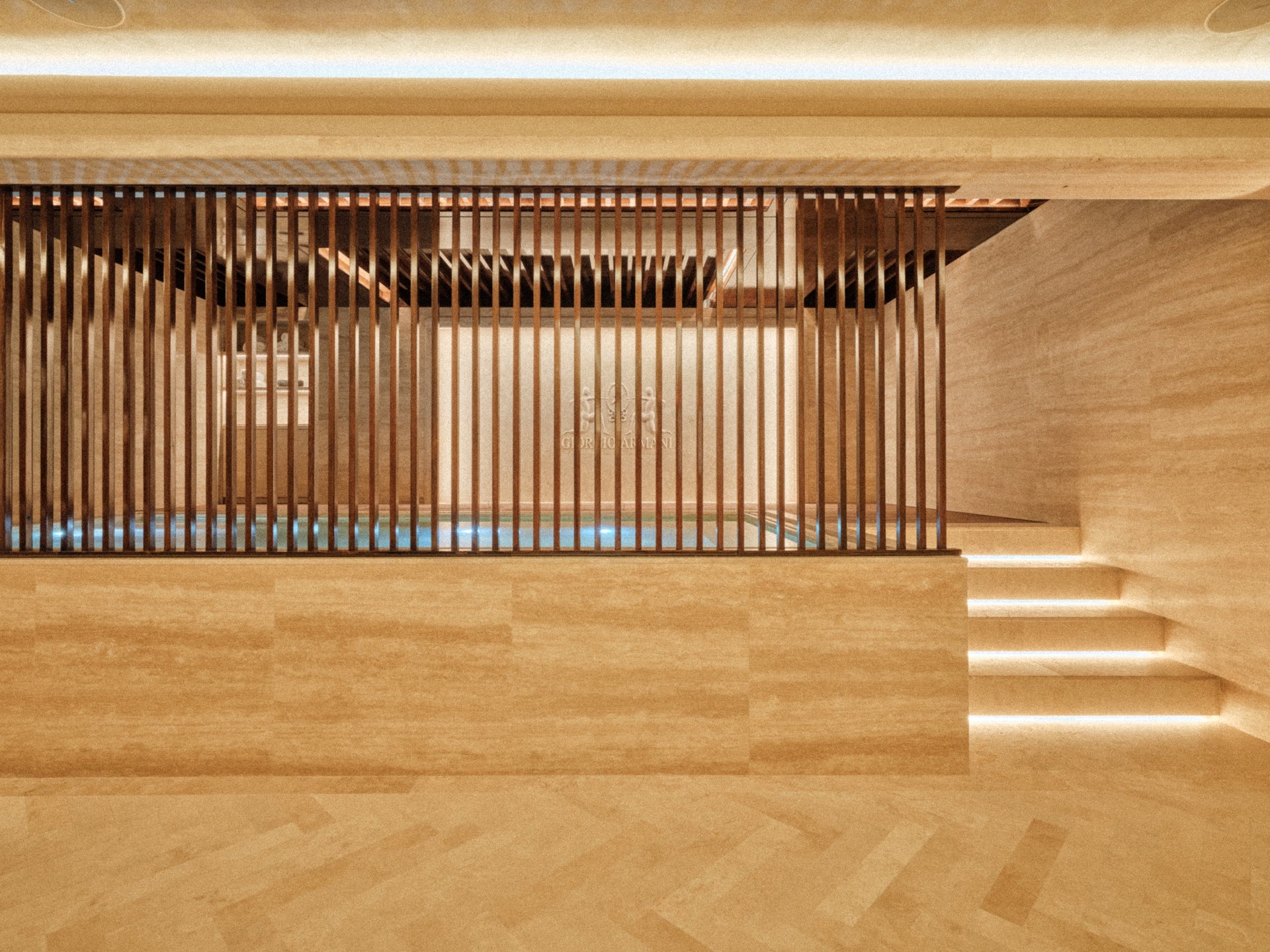
The tailoring has a different burden. It needs to feel desirable away from the precise room in which it has been photographed. A persuasive world can create the first attraction, but customers eventually wear the clothes in their own lives. The product has to travel without its scenery.

Ivy’s shared colours and iconography help hold that range together. Their value is less about making every object identical than making the relationship recognisable. Someone can encounter a piece of equipment and a jacket separately and still understand that they belong to the same offer.
‍

That recognisable relationship is what allows the club to reach beyond its address. Most shoppers will encounter Ivy through a garment or a campaign, rather than a day at the venue. The collection gives them enough of the setting to understand the appeal, while leaving the private experience with its own reasons to exist.

The club is the setting, and the collection is the portable version. What makes the idea interesting is how carefully it imagines the hours around a sport. The customer is being invited to dress for a whole afternoon, including the part spent on the sofa afterwards.

SUBSCRIBE

The ultimate guide for the modern brand owner, delivered straight to your inbox.
Thank you for subscribing!
Oops! Something went wrong while submitting the form.
Share button
linkedinpinterestmail
Case Studies

You Can Dress for Kith’s Private Club. Membership Is Another Matter.

There is a private club behind Kith Ivy, but you do not need a membership to buy into its wardrobe. The second collection brings tailoring, padel clothing and loungewear together inside a carefully imagined day, with Giorgio Armani and Wilson helping to explain the different occasions. A sofa beside a racket tells much of the story. The collection sells a recognisable idea of club life while leaving the actual place with its own rules of entry.

By
The Desiree Team
October 5, 2026
Images supplied by Desiree Design Studio

That is the proposition behind the latest Kith Ivy collection, released on 5 October. Ivy is Ronnie Fieg’s private wellness and padel club in New York’s West Village, and this is its second collection. Clothing and accessories carry the club’s identity into a wider retail offer, including collaborations with Giorgio Armani and Wilson.

Armani’s involvement extends from the club’s spa partnership into tailoring. Wilson brings sports clothing, footwear and equipment. The range also includes Kith Ivy loungewear, with the signature Stadium green helping connect the different categories. The release was offered through Kith’s website and app as well as the club.

‍

The distribution is an important detail. The place is private, while parts of its visual identity can be bought through public retail channels. A customer can participate in the idea of the club without the collection itself conferring membership. The product and the venue offer related but different forms of access.

That can be commercially useful because a place gives merchandise a richer story than a logo alone. A polo, racket bag or sweatshirt can appear to belong to an existing routine. The imagined wearer has somewhere to go and things to do there. The club supplies context that an ordinary seasonal campaign would otherwise need to invent.

The partnerships also help make the range legible. Tailoring and performance equipment require different kinds of credibility. Bringing in businesses associated with those areas gives the customer a starting point for understanding each category. It does not eliminate the need to evaluate the actual product, but it helps explain why the assortment stretches as far as it does.

The campaign setting joins those categories through atmosphere. A sofa beside sporting cues suggests that the time around the game matters as much as the game itself. It invites the customer to imagine arriving, playing, changing and staying. The clothing has several occasions to serve within one day.

That is a broader proposition than simply making padel look fashionable. The collection uses sport as an organising activity for a way of spending time. Once that setting is established, pieces that might look unrelated on a plain retail page can feel like parts of the same wardrobe.

There is a delicate balance in doing this well. Sports products need to work in use. Lifestyle imagery cannot tell a customer whether a shoe suits their movement or a racket suits their game. The collaboration should make technical information easier to find, rather than allowing the setting to stand in for it.

‍

The tailoring has a different burden. It needs to feel desirable away from the precise room in which it has been photographed. A persuasive world can create the first attraction, but customers eventually wear the clothes in their own lives. The product has to travel without its scenery.

Ivy’s shared colours and iconography help hold that range together. Their value is less about making every object identical than making the relationship recognisable. Someone can encounter a piece of equipment and a jacket separately and still understand that they belong to the same offer.

‍

That recognisable relationship is what allows the club to reach beyond its address. Most shoppers will encounter Ivy through a garment or a campaign, rather than a day at the venue. The collection gives them enough of the setting to understand the appeal, while leaving the private experience with its own reasons to exist.

The club is the setting, and the collection is the portable version. What makes the idea interesting is how carefully it imagines the hours around a sport. The customer is being invited to dress for a whole afternoon, including the part spent on the sofa afterwards.

Share button
linkedinpinterestmail
Case Studies

You Can Dress for Kith’s Private Club. Membership Is Another Matter.

There is a private club behind Kith Ivy, but you do not need a membership to buy into its wardrobe. The second collection brings tailoring, padel clothing and loungewear together inside a carefully imagined day, with Giorgio Armani and Wilson helping to explain the different occasions. A sofa beside a racket tells much of the story. The collection sells a recognisable idea of club life while leaving the actual place with its own rules of entry.

By
The Desiree Team
October 5, 2026
Images supplied by Desiree Design Studio

That is the proposition behind the latest Kith Ivy collection, released on 5 October. Ivy is Ronnie Fieg’s private wellness and padel club in New York’s West Village, and this is its second collection. Clothing and accessories carry the club’s identity into a wider retail offer, including collaborations with Giorgio Armani and Wilson.

Armani’s involvement extends from the club’s spa partnership into tailoring. Wilson brings sports clothing, footwear and equipment. The range also includes Kith Ivy loungewear, with the signature Stadium green helping connect the different categories. The release was offered through Kith’s website and app as well as the club.

‍

The distribution is an important detail. The place is private, while parts of its visual identity can be bought through public retail channels. A customer can participate in the idea of the club without the collection itself conferring membership. The product and the venue offer related but different forms of access.

That can be commercially useful because a place gives merchandise a richer story than a logo alone. A polo, racket bag or sweatshirt can appear to belong to an existing routine. The imagined wearer has somewhere to go and things to do there. The club supplies context that an ordinary seasonal campaign would otherwise need to invent.

The partnerships also help make the range legible. Tailoring and performance equipment require different kinds of credibility. Bringing in businesses associated with those areas gives the customer a starting point for understanding each category. It does not eliminate the need to evaluate the actual product, but it helps explain why the assortment stretches as far as it does.

The campaign setting joins those categories through atmosphere. A sofa beside sporting cues suggests that the time around the game matters as much as the game itself. It invites the customer to imagine arriving, playing, changing and staying. The clothing has several occasions to serve within one day.

That is a broader proposition than simply making padel look fashionable. The collection uses sport as an organising activity for a way of spending time. Once that setting is established, pieces that might look unrelated on a plain retail page can feel like parts of the same wardrobe.

There is a delicate balance in doing this well. Sports products need to work in use. Lifestyle imagery cannot tell a customer whether a shoe suits their movement or a racket suits their game. The collaboration should make technical information easier to find, rather than allowing the setting to stand in for it.

‍

The tailoring has a different burden. It needs to feel desirable away from the precise room in which it has been photographed. A persuasive world can create the first attraction, but customers eventually wear the clothes in their own lives. The product has to travel without its scenery.

Ivy’s shared colours and iconography help hold that range together. Their value is less about making every object identical than making the relationship recognisable. Someone can encounter a piece of equipment and a jacket separately and still understand that they belong to the same offer.

‍

That recognisable relationship is what allows the club to reach beyond its address. Most shoppers will encounter Ivy through a garment or a campaign, rather than a day at the venue. The collection gives them enough of the setting to understand the appeal, while leaving the private experience with its own reasons to exist.

The club is the setting, and the collection is the portable version. What makes the idea interesting is how carefully it imagines the hours around a sport. The customer is being invited to dress for a whole afternoon, including the part spent on the sofa afterwards.

Share button
linkedinpinterestmail
Case Studies

You Can Dress for Kith’s Private Club. Membership Is Another Matter.

By
The Desiree Team
October 5, 2026
Images supplied by Desiree Design Studio
There is a private club behind Kith Ivy, but you do not need a membership to buy into its wardrobe. The second collection brings tailoring, padel clothing and loungewear together inside a carefully imagined day, with Giorgio Armani and Wilson helping to explain the different occasions. A sofa beside a racket tells much of the story. The collection sells a recognisable idea of club life while leaving the actual place with its own rules of entry.

While the brands mentioned are not sponsored or paid advertisements, some of the products highlighted may earn us a commission.

Sign up for our newsletter to receive the latest brand news and insights from Brand Insider.

Share button
linkedinpinterestmail
⌃