Announced on 21 September, the hall combines a live venue with recording and broadcast capabilities. Artists can capture Spatial Audio, prepare a broadcast mix and record multicamera video in the same location. Global livestreams are also part of the plan.
Inside, the announced specification includes a reconfigurable 38-foot stage and a 48-speaker spatial sound system. Recording and mixing studios sit behind the performance space. Apple has also moved its London-based Apple Music Radio hosts and shows into new studios at Battersea.
The setup follows a performance beyond the evening itself. A show begins with the people in the room, then becomes material that can travel through recordings, streams and later viewing. Putting those capabilities together changes what the venue can produce from a single booking. The audience capacity describes only one part of its reach.
For a fan attending in person, the small capacity is part of the appeal. A show can feel like access to an artist at a different scale. For someone watching remotely, the attraction has to be translated through sound and images. The equipment matters because the second audience cannot experience the room directly.
That creates an interesting production problem. A live show and a broadcast do not always want the same things. Cameras need sightlines. A room needs to feel comfortable for the people in it. The venue’s promise rests partly on making those requirements work together, so that the audience does not feel like an inconvenient collection of bodies in a recording facility.
It also gives Apple a physical way to demonstrate an idea that can be abstract on a service page. Spatial Audio becomes part of a performance setting, rather than only a feature name. Whether every listener finds the difference compelling will depend on the experience, but the venue makes the claim something artists can use and audiences can encounter.
The radio studios extend the same logic. Music services need ways to build relationships around tracks that may also be available elsewhere. Interviews, live sessions and a recognisable editorial voice can give listeners reasons to associate a particular service with access and discovery. A dedicated location can help produce those encounters repeatedly.
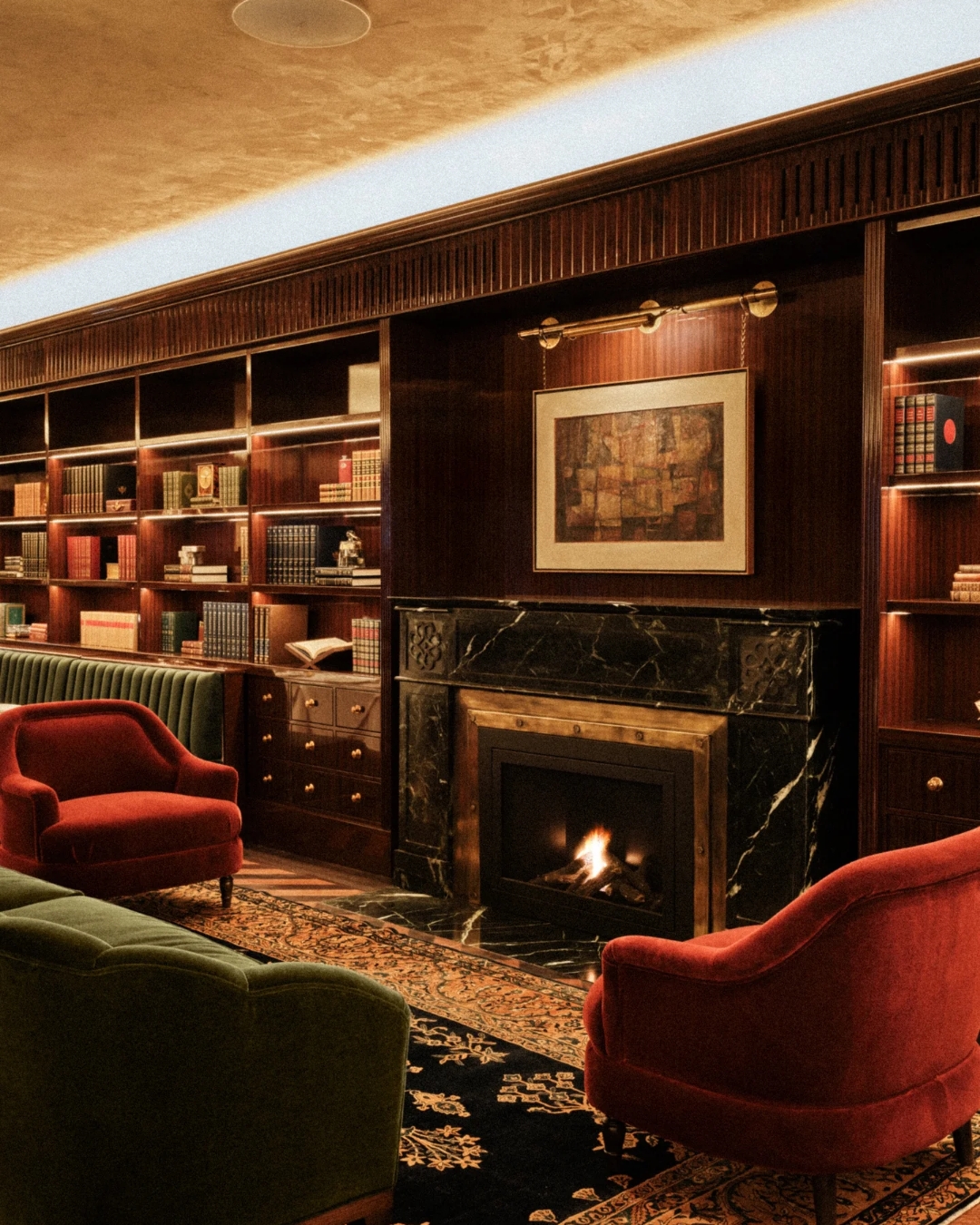
Brickwork, arches and bronze details connect the visual setting to Battersea. The building gives the venue a recognisable local character, so material created there can carry a sense of place even when it reaches listeners far from London. That is a useful distinction for a music service available across many different markets.
A live music venue also has different expressive needs from a product interface. People arrive looking for atmosphere, anticipation and a connection to whoever is performing. Giving Apple Music Hall its own character helps the space meet those expectations. The broader brand remains recognisable without asking a concert to feel like a phone screen.
The harder assessment will come through programming and access. Who performs, how audiences obtain tickets and what reaches people outside London will determine how the stated commitment feels in practice. Technical capacity creates possibilities; the programme decides which of them become meaningful.
For other brands, the relevant lesson is the connection between experience and infrastructure. A venue can generate impressive launch images, but Apple has built in ways for the investment to keep producing material. The guest sees a show. The wider audience may later encounter a recording, a stream or an interview shaped by the same place.
The hall’s most important feature may therefore be less photogenic than its stage. It is the practical ability to turn one performance into several useful experiences without starting the production process again each time. That is what gives a 600-person room ambitions beyond its capacity.



.svg)


.svg)
.svg)